
HAWX / PEST LIBRARY / SILVERFISH
HAWX / PEST LIBRARY / SILVERFISH
Common Silverfish
Hawx is always reliable. Always innovative.
Get Pest Help: (855) 739-0061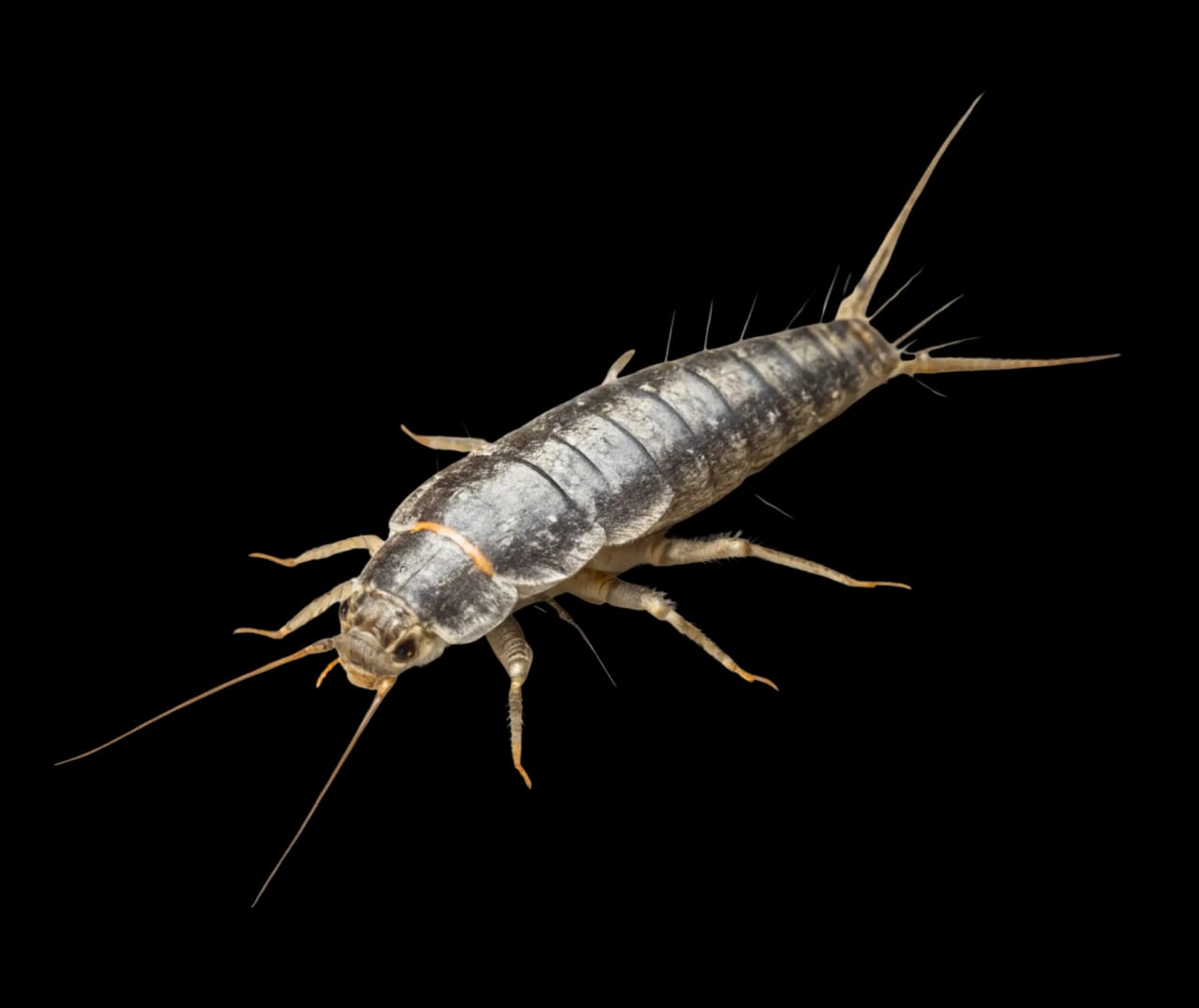
OVERVIEW
How to Get Rid of the Common Silverfish
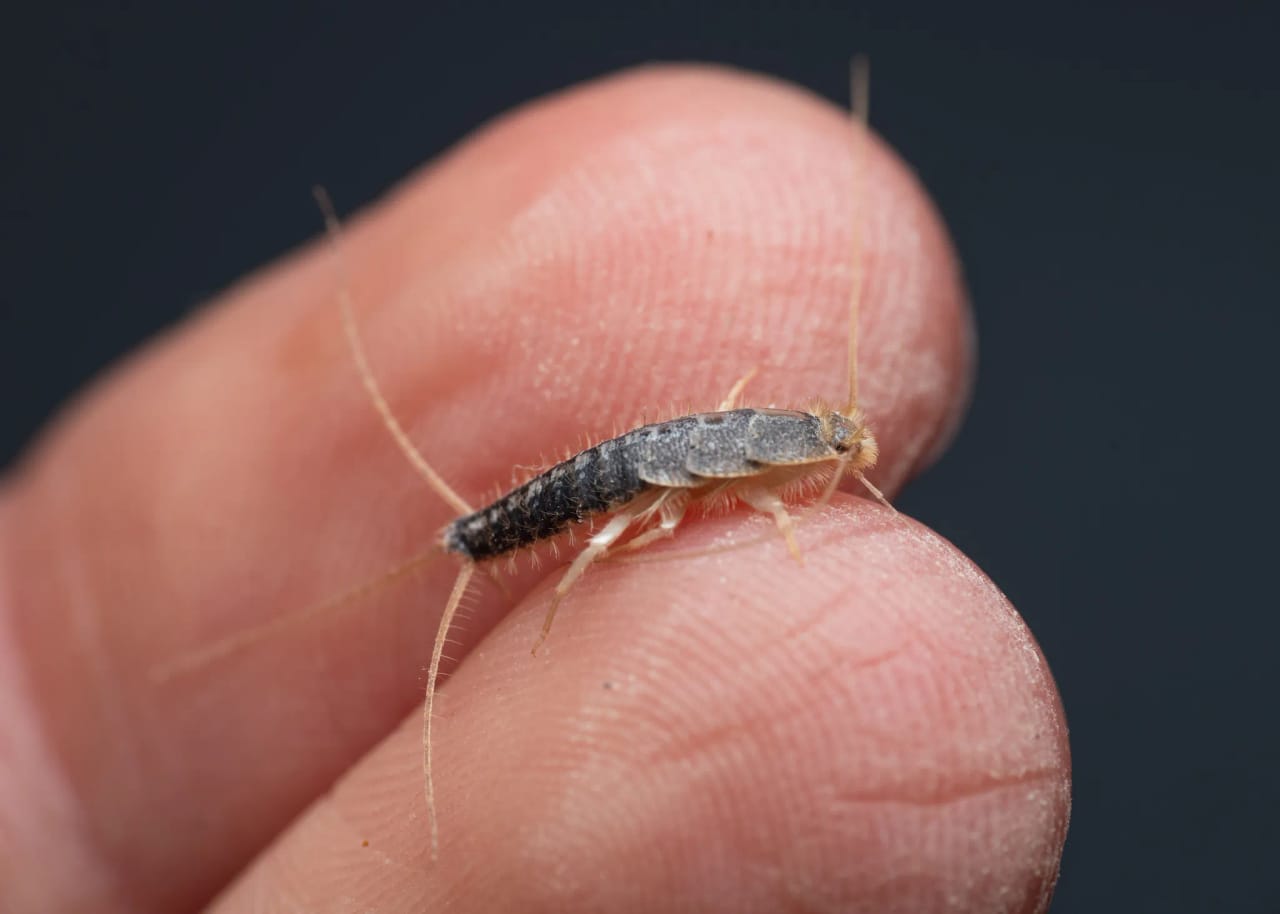
While common silverfish are harmless to humans, they can be persistent pests, damaging clothing, books, and wallpaper. Silverfish have an unusually long lifespan (up to eight years) and reproduce rapidly, meaning infestations can grow out of control if they're not handled promptly. We'll break down how to get rid of silverfish naturally and when to call a professional.

Seeing Silverfish?
Get help with your silverfish problems by calling the silverfish control pros at Hawx Pest Control! Call (855) 739-0061 today.
Call Hawx Today: (855) 739-0061UNDERSTANDING SILVERFISH
Should I be worried if I have silverfish?
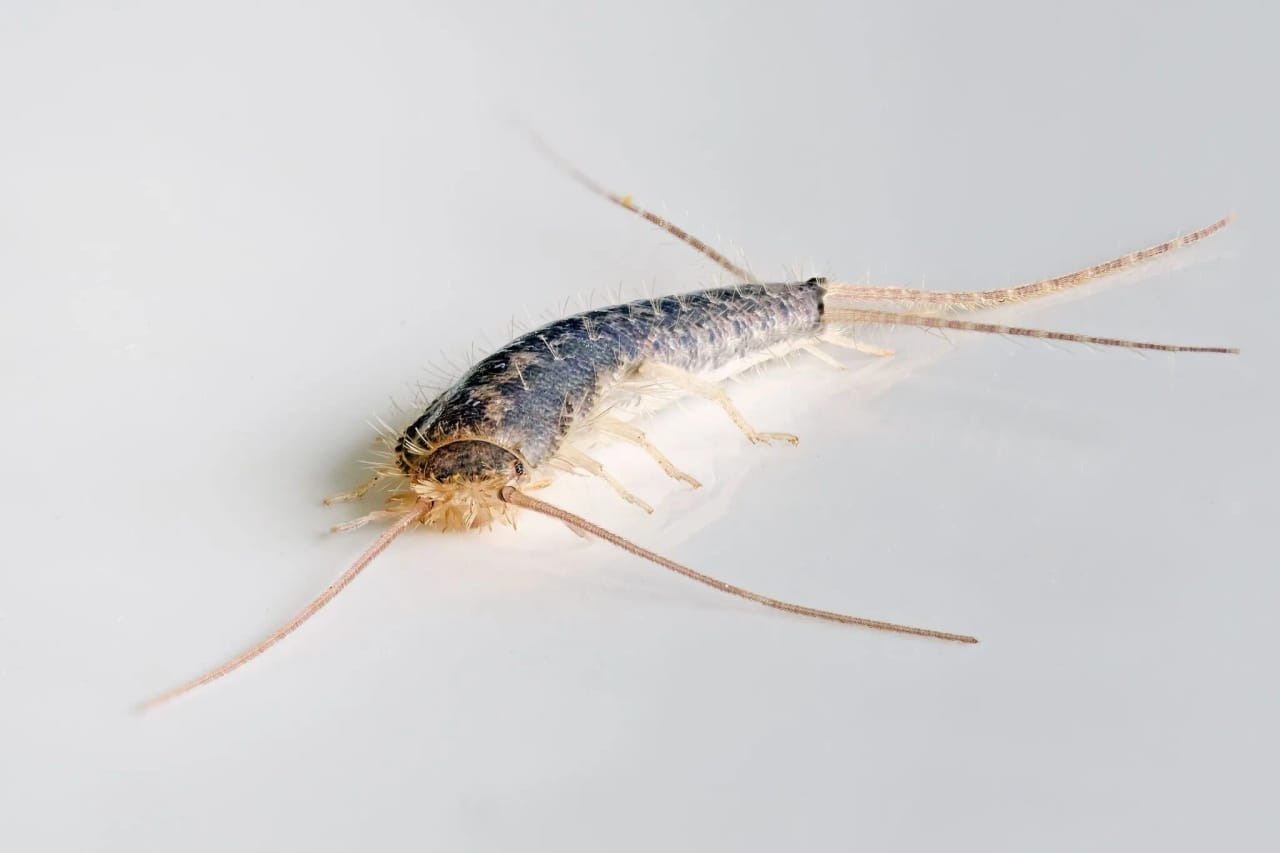
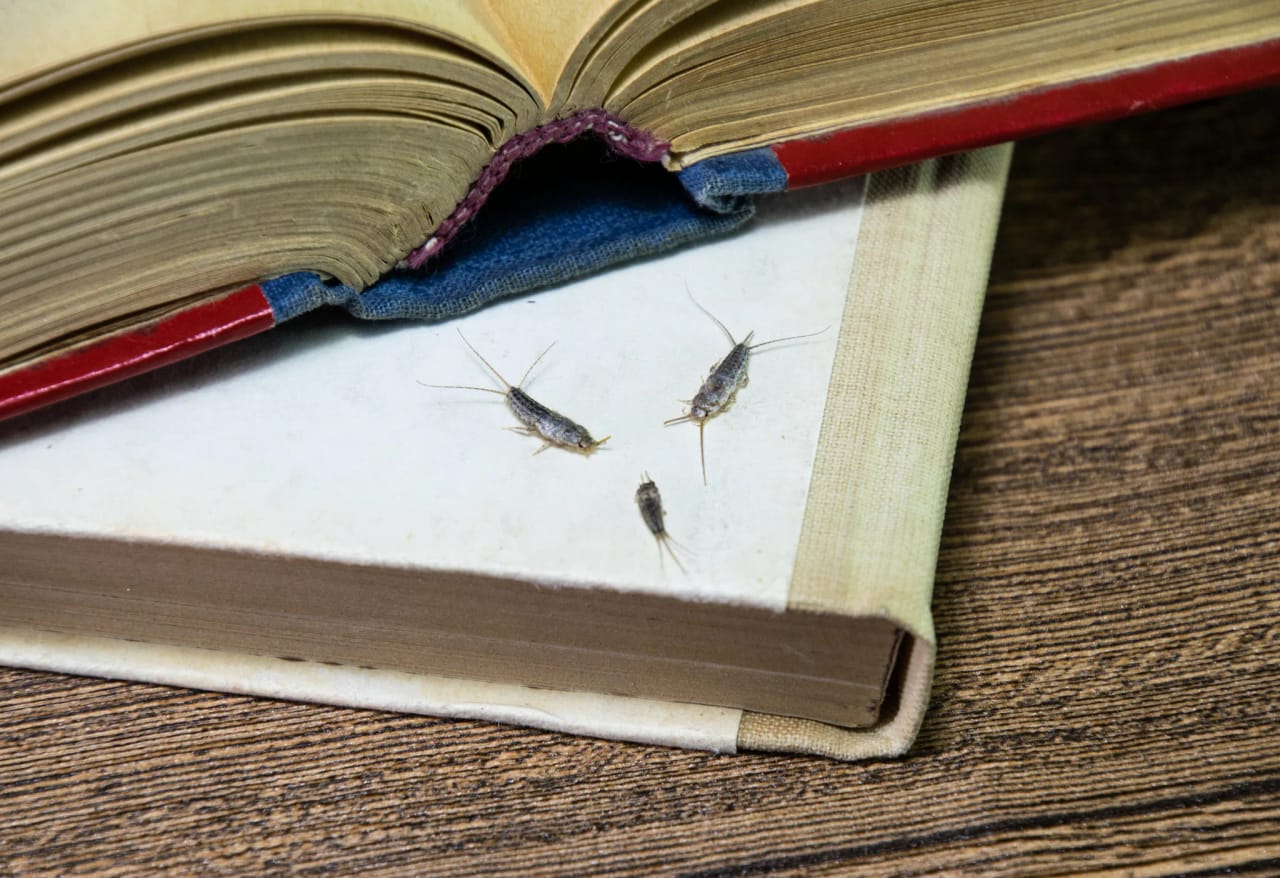
First off, do silverfish bite people? No, but they will chew through your clothes, books, and starchy foods like pasta. Silverfish may also indicate moisture problems in your home, either high humidity or leaks, which can lead to mold, mildew, and rot. Because silverfish breed rapidly, an infestation can get to be difficult to control, and will also attract other predatory pests that feed on them, like spiders and centipedes. Addressing the underlying factors that attract silverfish and eliminating them quickly are key to keeping your home peaceful and pest-free.
PREVENTION
How to prevent silverfish from coming into the house
If you're wondering why there are silverfish in your home, look at the three major factors: moisture, easy entry points, and available food.
Use dehumidifiers to maintain an indoor humidity level between 30-55%. Use fans for ventilation in closed spaces, and fix leaks or drips in plumbing. Line your crawl spaces with plastic sheeting to create a vapor barrier.
Seal potential entry points such as cracks in the foundation or siding with caulk, and use weatherstripping around windows, doors, foundations, and pipes. Maintain a tidy, dry perimeter around the outside of your home.
Keep food sources under wraps. Items like cereals, pet food, pasta, paper products, and out-of-season clothes should be kept in airtight containers.
Without sustained moisture and access to food, silverfish can't thrive, so that's your goal.
INSIDE THE HOME
Where silverfish are found in the house
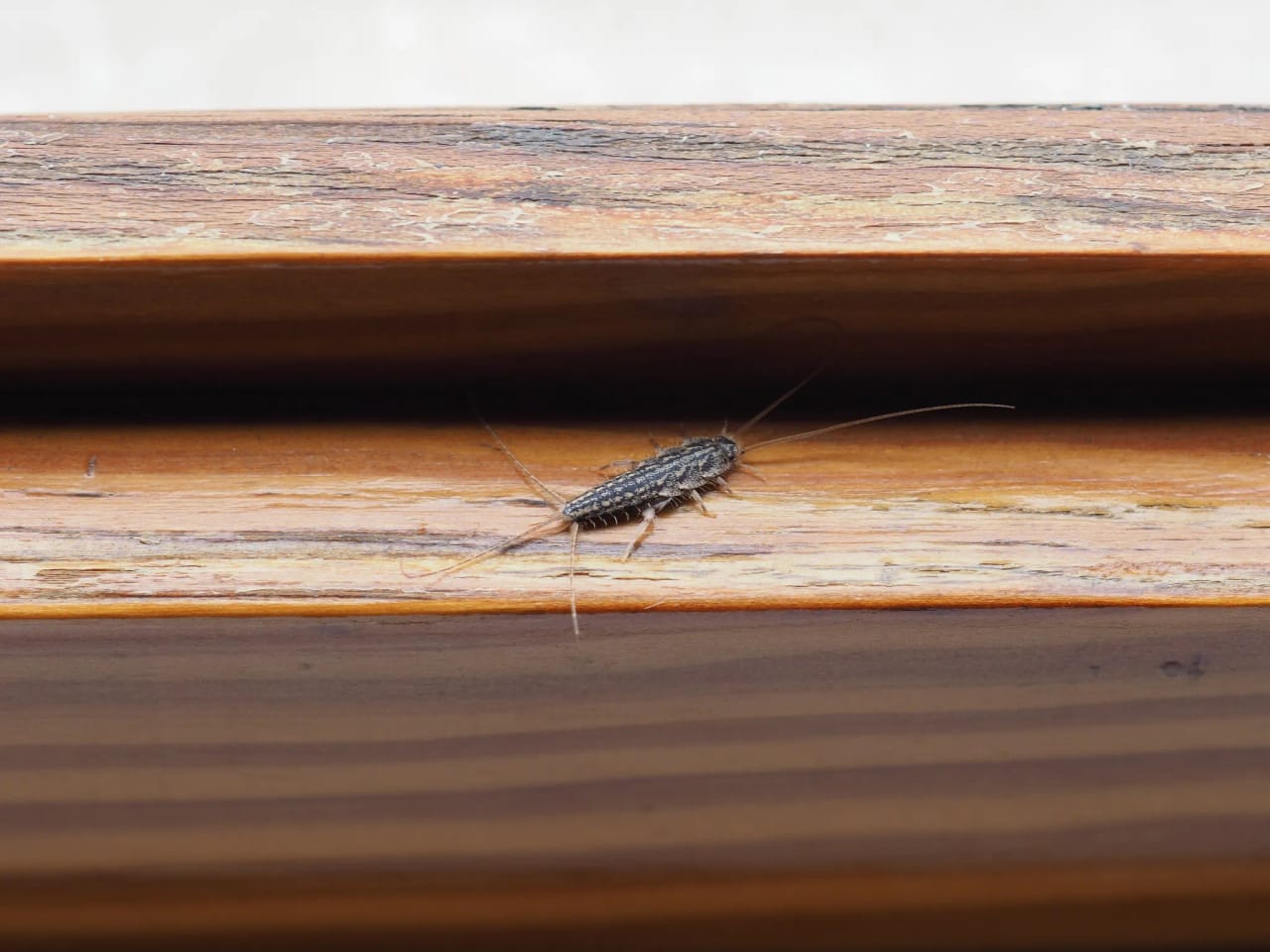
Silverfish hide during the day in dark, secluded spots and emerge at night. They like to nest near food and water. Rooms with a lot of moisture, such as bathrooms, basements, and laundry rooms, are hotspots. Kitchens, closets, shelves, attics, and garages are basically buffets for silverfish, with books, boxes, clothes, and our own starchy human foods to attract them.
NEXT STEPS
How to get rid of silverfish in the house
If you find yellow stains on clothing, holes in book pages, small pepper-like droppings, or shed scales, you probably have silverfish. Start with the prevention methods above. For removal, try the following:
Natural Methods
Diatomaceous Earth (DE)
Sprinkle food-grade DE in cracks, crevices, and along baseboards. This natural powder dehydrates silverfish on contact. Leave it for 24 hours, then vacuum. DE is generally safe but dusty; you should avoid inhaling it. Use caution if you have pets.
Traps
Create a silverfish trap by wrapping the outside of a glass with masking tape or wet newspaper. Put a starchy bait like bread inside and place it in a corner. The tape allows silverfish to climb up the glass, but they won't be able to climb out again.
Regular Cleaning
Vacuum carpets, upholstery, and crevices with a HEPA filter to remove silverfish eggs and the dust and debris that silverfish feed on. Dust shelves and avoid clutter, such as stacks of paper, which can be hiding and feeding spots.
Chemical Methods
Boric Acid
While boric acid is technically a natural substance, using it requires caution. Wear protective equipment, including safety glasses, a mask, and gloves, when handling boric acid. Mix 1 part boric acid with 10 parts flour or sugar as bait. Apply in hidden spots and don't use it if there are pets or children in the home. Always use 99% pure boric acid.
Insecticidal Sprays
Use pyrethrin or pyrethroid-based aerosols labeled for silverfish/indoor use (foggers are ineffective). Target hiding spots in cracks, baseboards, and behind appliances. Apply sparingly and avoid food areas. Ventilate for 2-4 hours after use, and wipe treated surfaces after 24 hours.
Baits/Poisons
Place commercial silverfish baits in silverfish hotspots. These can be less effective, as silverfish don't always take the bait, preferring naturally found food sources. Results may take 2-3 weeks. Always follow labels and prioritize non-chemical options first.
When to call a professional
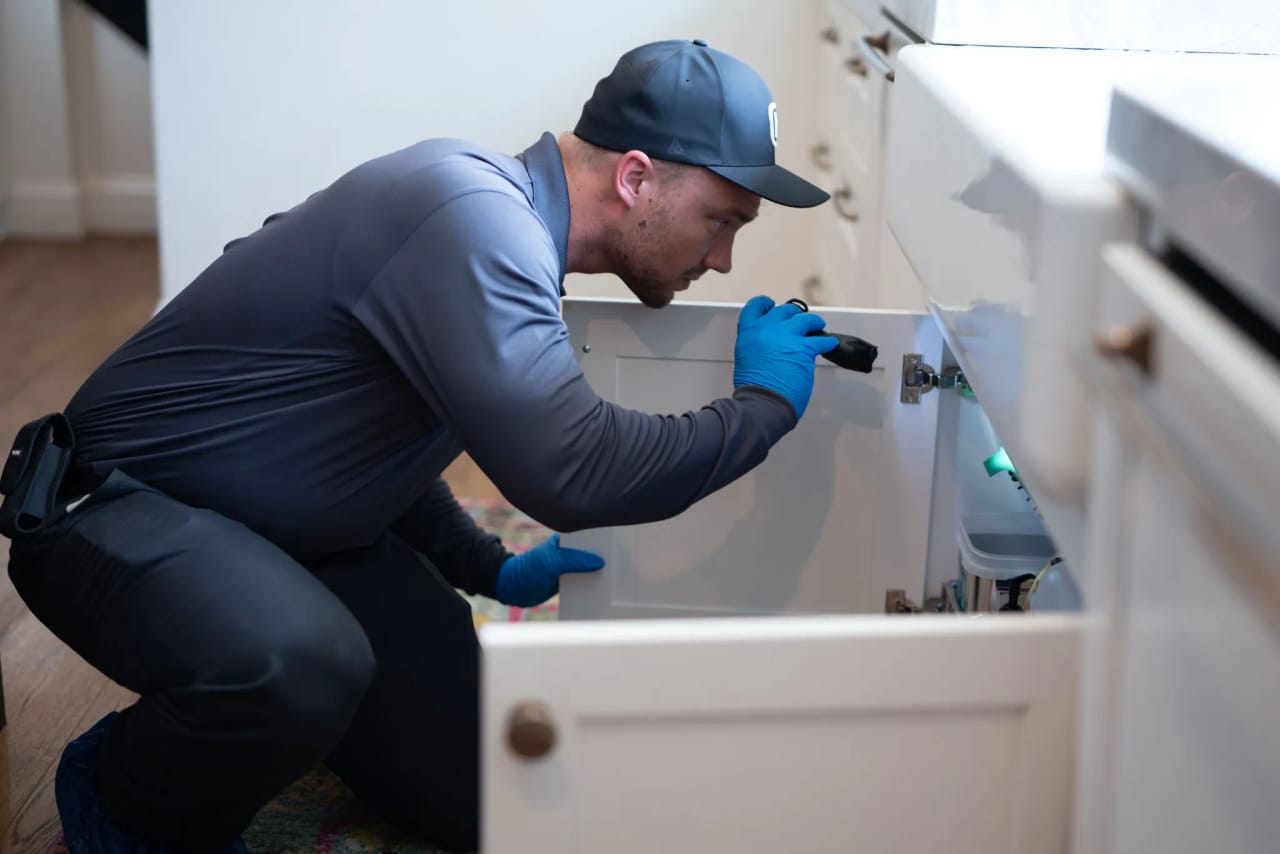
If you're seeing signs of silverfish, don't hesitate to call a professional pest control team like Hawx. Because silverfish can breed in concealed nesting zones and multiply quickly, early professional intervention prevents escalation.
We start with a thorough inspection to identify entry points, nests, and attractants. Our team then establishes a perimeter barrier via foundation treatments, crack and crevice dusts, yard treatment, and entry-point sealing. Inside, we'll apply targeted treatments like residual insecticides, dusts, or baits in voids and crevices to kill hidden infestations.
You'll receive a detailed service report outlining what was done and where vulnerabilities were addressed. Plus, Hawx's home-service warranty stands behind the work: if silverfish return between treatments, we will too — no extra charge.
Ready to reclaim your home? Get a free estimate today.
If you have a pest problem, Hawx Pest Control is here to help. Contact Us Today.
Call Now – Get Answers FastMORE ON Silverfish
Want to Learn More About Silverfish?
Browse Silverfish-related articles and insights from our blog.
5-STAR PEST CONTROL
Top-Rated Local Pest Control
Hannah M
Janaury, 2026
Jaylen was wonderful! He took extra care around our plants, texted before arrival so we could put away the dogs, and was extremely knowledgeable and caring about his craft. He was able to answer a few additional questions we had swiftly and with a smile. 100% recommend!
Jessica B
December, 2025
Maggie was very professional and communicated to me the work that was done around my home. Excellent service and I haven’t been seeing any bugs in my house since we started services with Hawk.
Swakin R
August, 2025
Had a great experience with Hawx Pest Control. Eric, our technician, was fantastic—very professional, polite, and thorough. He explained everything clearly and made sure we were comfortable with the process. You can tell he really cares about doing a good job. Highly recommend Eric and the Hawx team!
Ken S
Janaury 21, 2026
Steve, was polite, courteous and punctual. I appreciated the communication. Hawx has been very consistent in delivering great service to my home over the years. I have no complaints or concerns. Thank you Steve.
Janie L
September 30, 2025
I've been with Hawx for a few years. They have great customer service. I didn't like that the price went up and got charged without my being notified but I discussed that with them once I realized my auto charge was increased. The current technician I've been getting is Jose. He's pretty responsive and serviced specific areas I needed/requested
Destiny G
November 18, 2025
I called Hawx to service my apartment after my building manager could not get to me quicker. Hawx arrived early next morning. Chris came and did a very thorough job. I highly recommend this service!