HAWX / PEST LIBRARY
HAWX / PEST LIBRARY
Carpenter Ant Facts &
Information
Hawx is always reliable. Always innovative.
Get Carpenter Ant Help: (855) 739-0061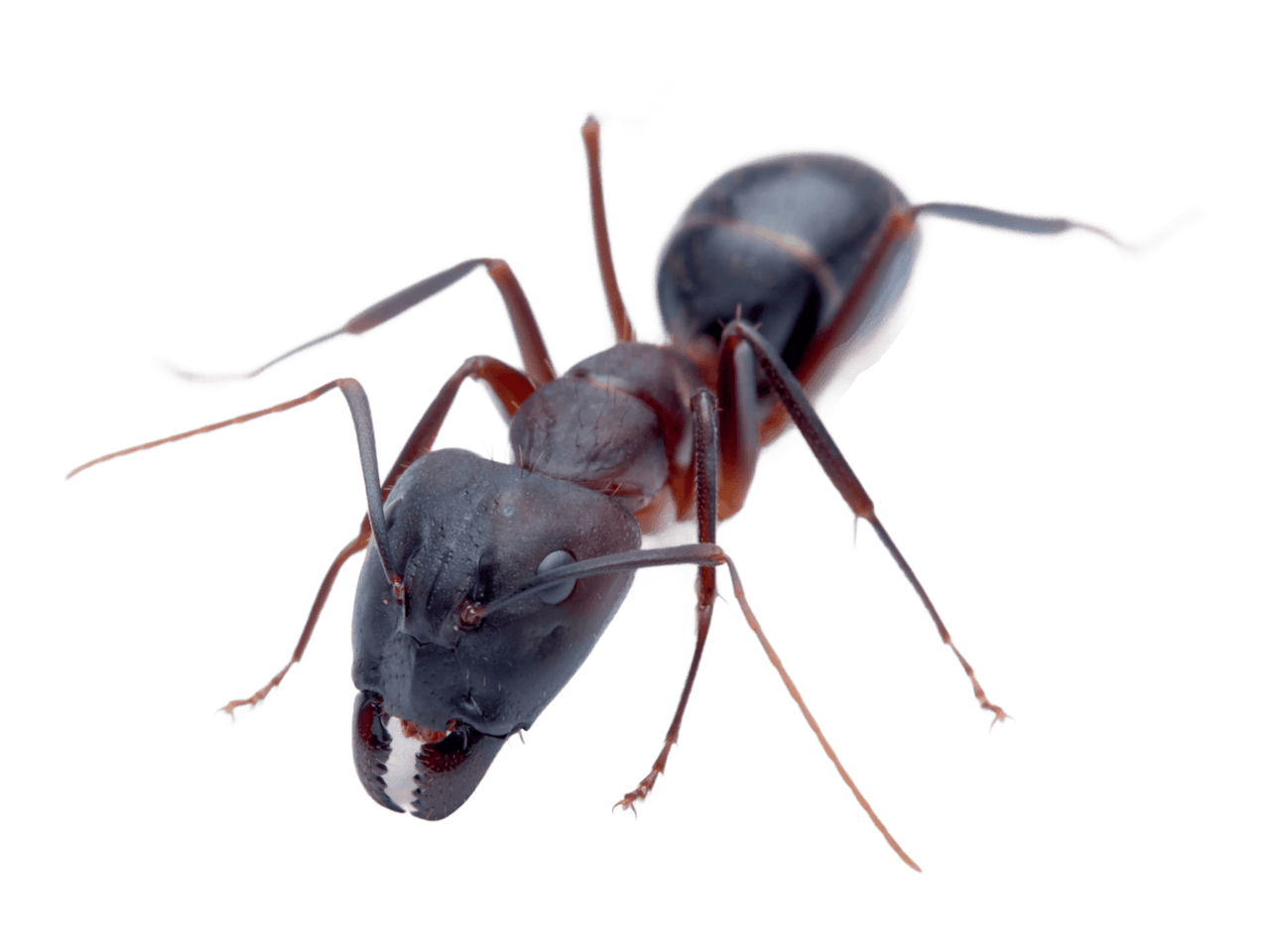
OVERVIEW
Understanding Carpenter Ant Activity Around the Home
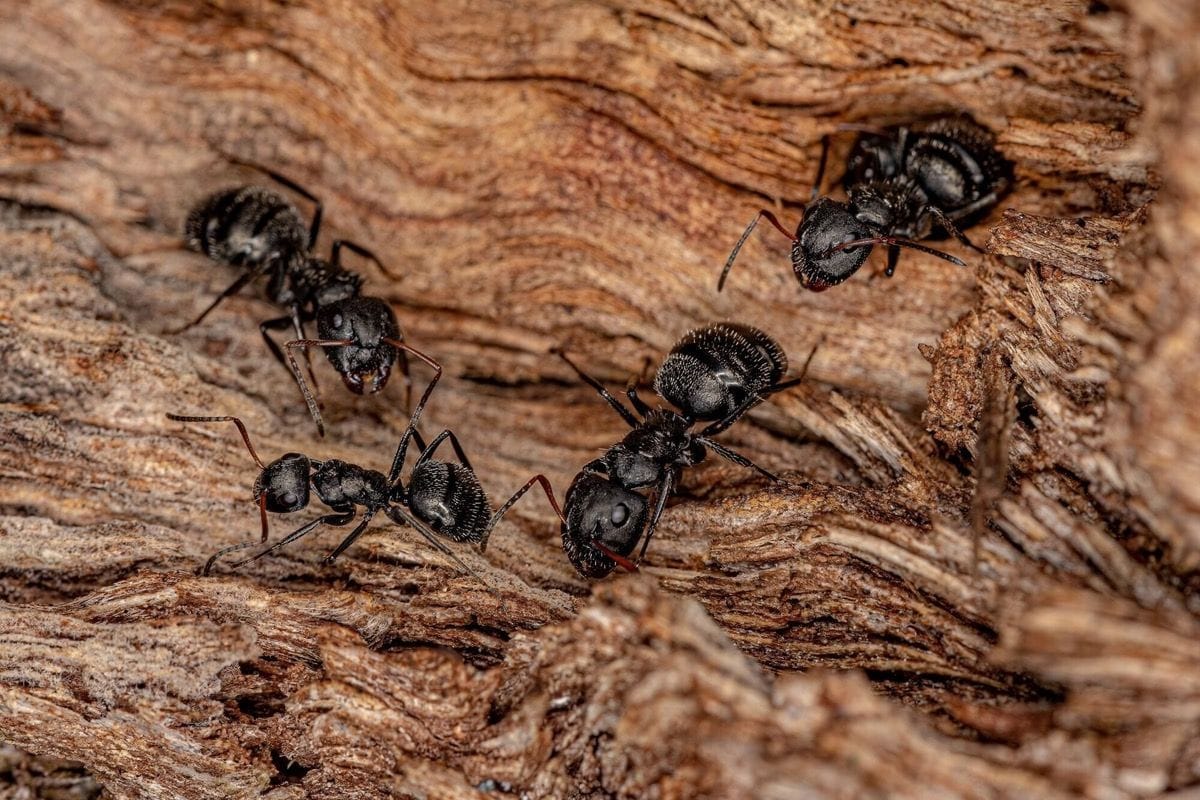
Carpenter ants are large, wood-destroying insects that can easily become a major headache for homeowners in many parts of the United States. Although they don't actually consume wood the way termites do, their habit of tunneling through damp or decaying wood can lead to structural damage if left unchecked.
Let's look at how to identify carpenter ants, what you can do to prevent them from moving in, and ways to deal with an existing infestation so you can keep your home safe.
Seeing Ant Activity?
Get help with your carpenter ant problems by calling the ant control pros at Hawx Pest Control! Dial (855) 739-0061 today.
Call Hawx Today: (855) 739-0061Identification
Carpenter Ant Identification
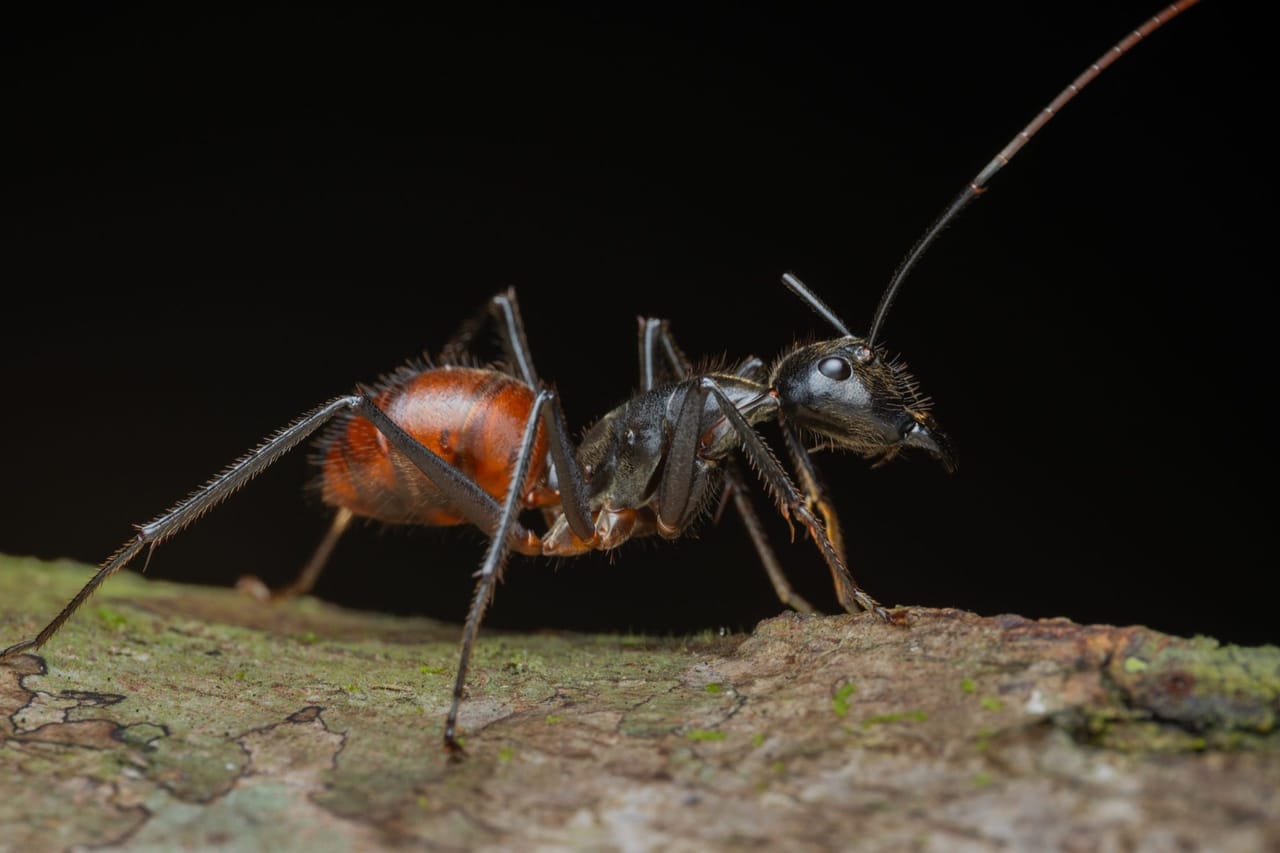
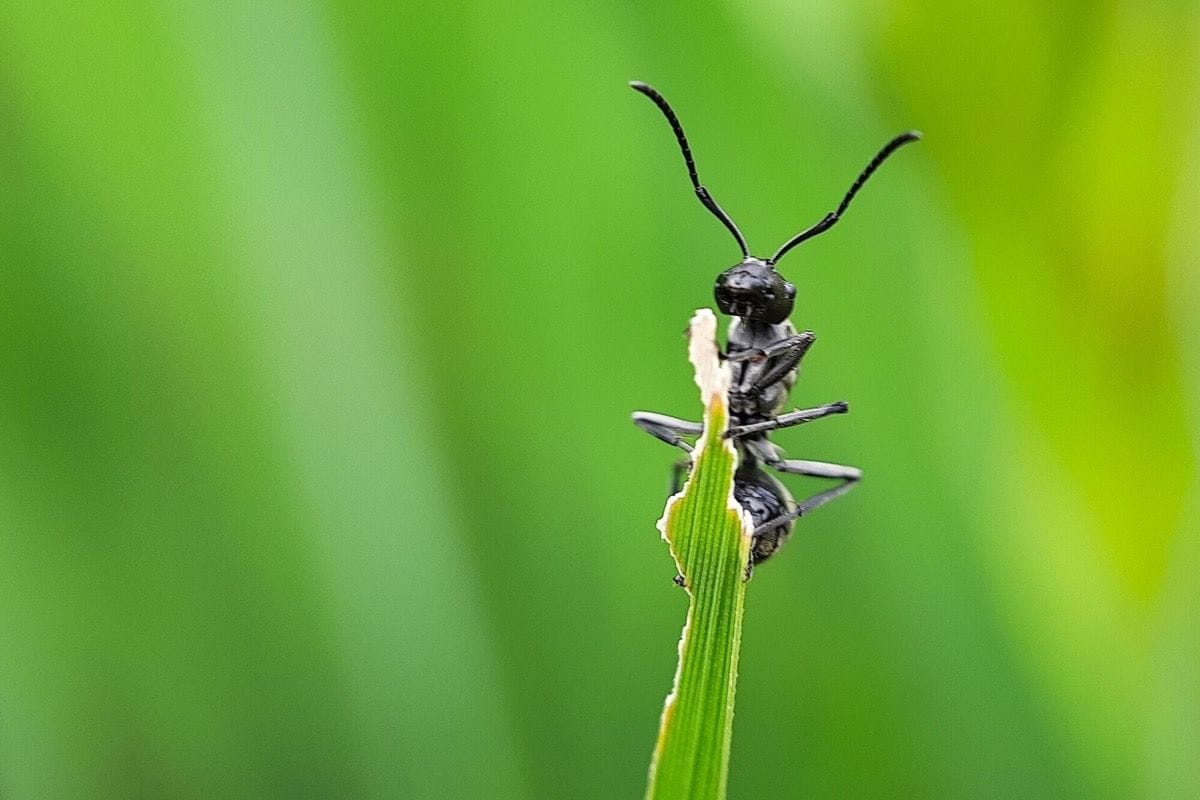
Carpenter ants look like regular ants, but a bit bigger in size. They have the same three body parts (head, thorax, and abdomen) joined by a narrow waist (the petiole). They use their strong mandibles (jaws) to chew tunnels through wood. Carpenter ants' bent antennae and the single rounded bump at the petiole help tell them apart from termites, which have straight antennae and a thick waist. Reference the diagram to identify the other parts of your average carpenter ant.
- Color Variations: Carpenter ants are often black, but some species can have sections of red, brown, or even golden hairs.
- Single Node Waist: A small node (or bump) connects their thorax and abdomen.
- Smooth, Rounded Thorax: Viewed from the side, their thorax is curved rather than ridged.
- Bent Antennae: Like many ant species, carpenter ants have elbowed antennae.
COMMON TYPES
Common Carpenter Ant Species You May Encounter
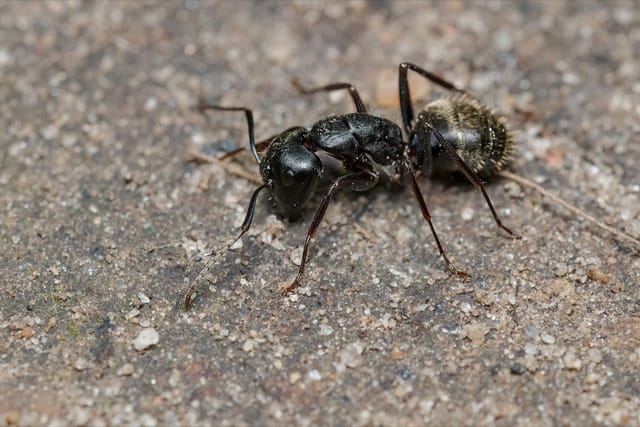
Black Carpenter Ant (Camponotus pennsylvanicus)
A classic eastern species that builds large colonies and often targets water-damaged wood.
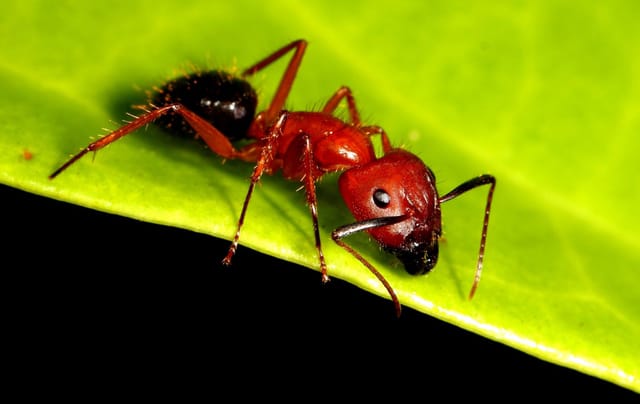
Florida Carpenter Ant (Camponotus floridanus)
Primarily found in and around Florida, these ants can give a sharp bite if disturbed.
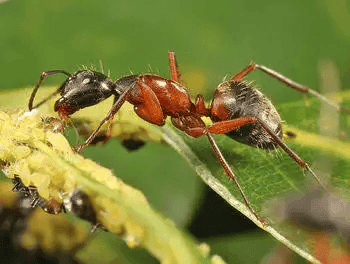
Red Carpenter Ant (Camponotus chromaiodes)
Recognizable by its contrasting red-and-black body, frequently seen in the Southeast.
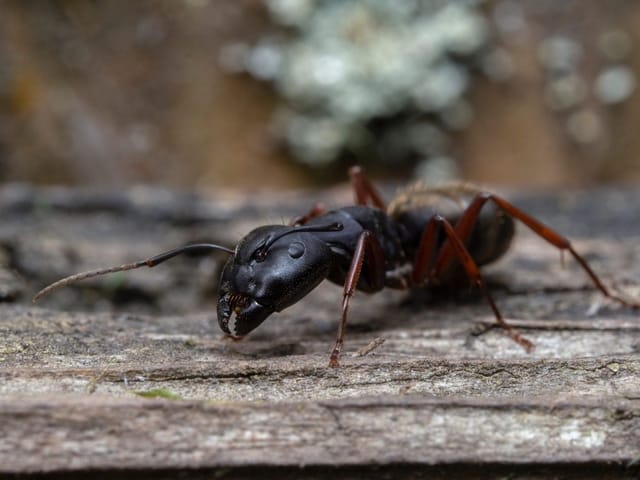
Western Black Carpenter Ant (Camponotus modoc)
A solid black ant more common in western and southwestern states, sometimes sporting lighter hairs.
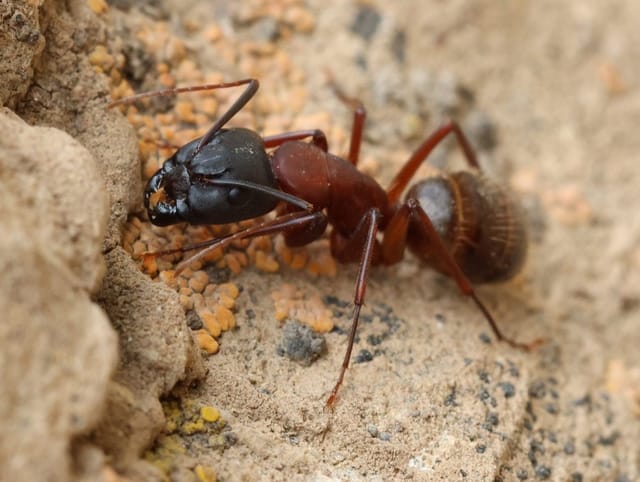
Camponotus vicinus
Widespread along the West Coast and known for its varied coloring, from reddish-brown to nearly all black.
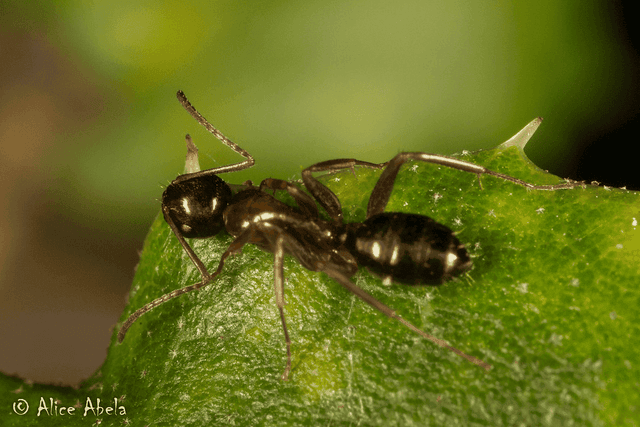
Camponotus clarithorax
Found along the Pacific Coast and as far south as the Baja Peninsula, occasionally spotted farther east.
Attraction
What Attracts Carpenter Ants to Your Home?
Carpenter ants rarely invade without reason. They're drawn to spaces that provide two key resources: moisture and soft or compromised wood. Any damp or decaying wood — such as a rotting window frame or a tree stump close to your foundation — can become an appealing nest site.
Leaky pipes, poor ventilation, and water damage in walls or crawl spaces can also create the perfect environment for carpenter ants to settle in, along with overhanging tree limbs that touch your roof or siding.
Speak With a Pest ExpertSIGNS
Signs of a Carpenter Ant Infestation
Worried you might have carpenter ants? Here's what to look for:
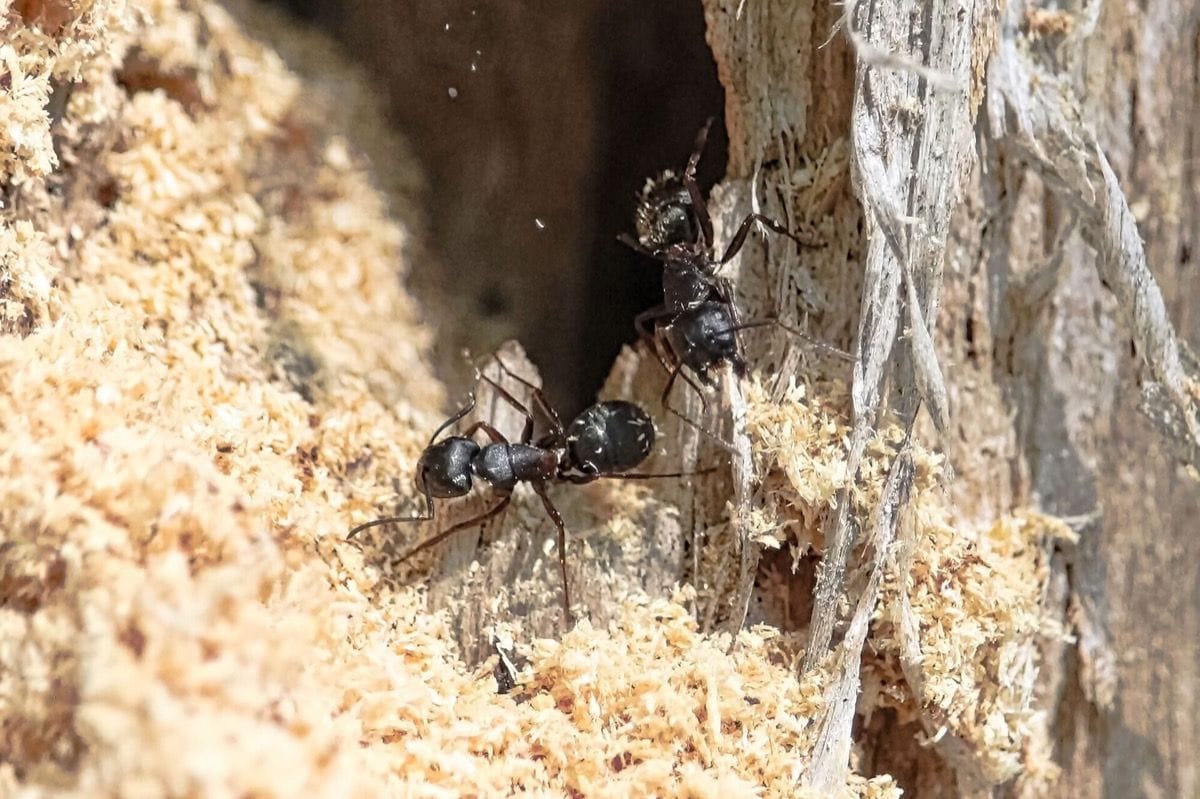
- Sawdust-like Material (Frass):Carpenter ants discard wood shavings and dead insects from their galleries, often leaving small piles near entry holes or inside wall voids.
- Rustling Sounds:Listen for faint crackling or rustling noises in walls, especially at night when the colony is most active.
- Trails of Large Ants:If you spot unusually big ants foraging in your kitchen or bathroom, they may be carpenter ants on the hunt for food or water.
- Winged Ants Indoors: If a colony has matured inside your home, swarmers (reproductive ants with wings) may emerge — a major sign of an established nest.
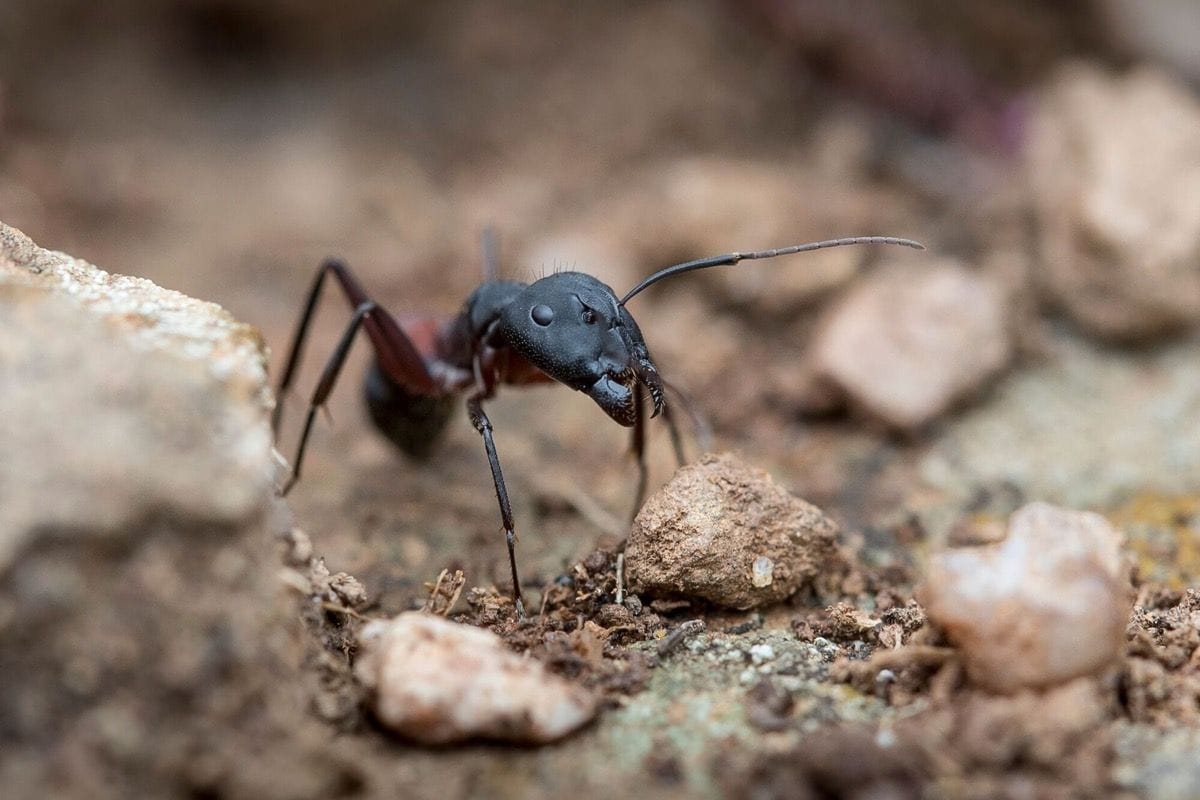
Damage
What Damage Can Carpenter Ants Cause?
Although they won't eat your walls like termites, carpenter ants carve out tunnels and chambers within wood to expand their nest. Over time, this destructive process can weaken structural elements, damage insulation, and lead to unsightly holes in siding or window frames. The damage can become extensive if left unchecked, so it's crucial to take action early.
NEXT STEPS
How Do You Get Rid of Carpenter Ants?
Eliminating carpenter ants often means addressing both the current infestation and any conducive conditions that attracted them in the first place. Here are some useful tips:
- Locate the Nest: Look for frass piles, visible ants coming and going, or damp wooden areas they might be using.
- Repair Moisture Issues: Fix leaks, improve ventilation, and remove any rotting wood inside or around your home.
- Direct Treatments: Drilling small holes to apply insecticide dusts or foams directly into the nest can be effective. Baiting can also help if the ants are actively foraging for food.
- Seal Entry Points: Use caulk or weather stripping around doors, windows, and utility lines to block off easy entry routes.
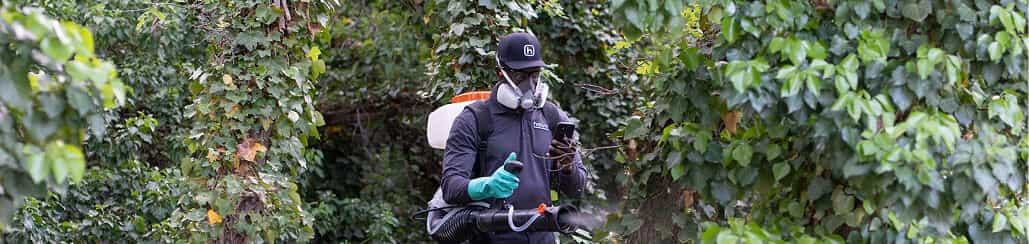
- Professional Pest Control: The most effective approach to getting rid of carpenter ants is to let experts handle it. Experienced pest control technicians have specialized tools to pinpoint and treat hidden nests and create barriers that help prevent future infestations.
Let Hawx Handle Your Carpenter Ant Problem
Carpenter ants are resourceful, persistent, and more than a little destructive if left to tunnel freely in your home. That's why professional expertise can make all the difference. With Hawx Pest Control, you get local specialists who know how to spot the signs of an infestation, identify the root causes, and implement a long-term plan to keep these damaging ants at bay.
Reach out to Hawx Pest Control today for a thorough assessment and personalized treatment strategy. You'll get peace of mind and the support of a dedicated team committed to keeping your property safe from costly damage.
Need Help With Your Carpenter Ant Problem? Contact Hawx Pest Control Today!
Call Now — Get Answers FastMORE ON Ant
Want to Learn More About Ants?
Browse ant-related articles and insights from our blog.
5-STAR PEST CONTROL
Top-Rated Local Pest Control
Hannah M
January, 2026
Jaylen was wonderful! He took extra care around our plants, texted before arrival so we could put away the dogs, and was extremely knowledgeable and caring about his craft. He was able to answer a few additional questions we had swiftly and with a smile. 100% recommend!
Jessica B
December, 2025
Maggie was very professional and communicated to me the work that was done around my home. Excellent service and I haven’t been seeing any bugs in my house since we started services with Hawk.
Swakin R
August, 2025
Had a great experience with Hawx Pest Control. Eric, our technician, was fantastic—very professional, polite, and thorough. He explained everything clearly and made sure we were comfortable with the process. You can tell he really cares about doing a good job. Highly recommend Eric and the Hawx team!
Ken S
January 21, 2026
Steve, was polite, courteous and punctual. I appreciated the communication. Hawx has been very consistent in delivering great service to my home over the years. I have no complaints or concerns. Thank you Steve.
Janie L
September 30, 2025
I've been with Hawx for a few years. They have great customer service. I didn't like that the price went up and got charged without my being notified but I discussed that with them once I realized my auto charge was increased. The current technician I've been getting is Jose. He's pretty responsive and serviced specific areas I needed/requested
Destiny G
November 18, 2025
I called Hawx to service my apartment after my building manager could not get to me quicker. Hawx arrived early next morning. Chris came and did a very thorough job. I highly recommend this service!