
Hawx / Pest Control Services / Termites
Hawx / Pest Control Services / Termites
A Homeowner's Guide to Termites in Texas
Get Termite Help: (855) 739-0061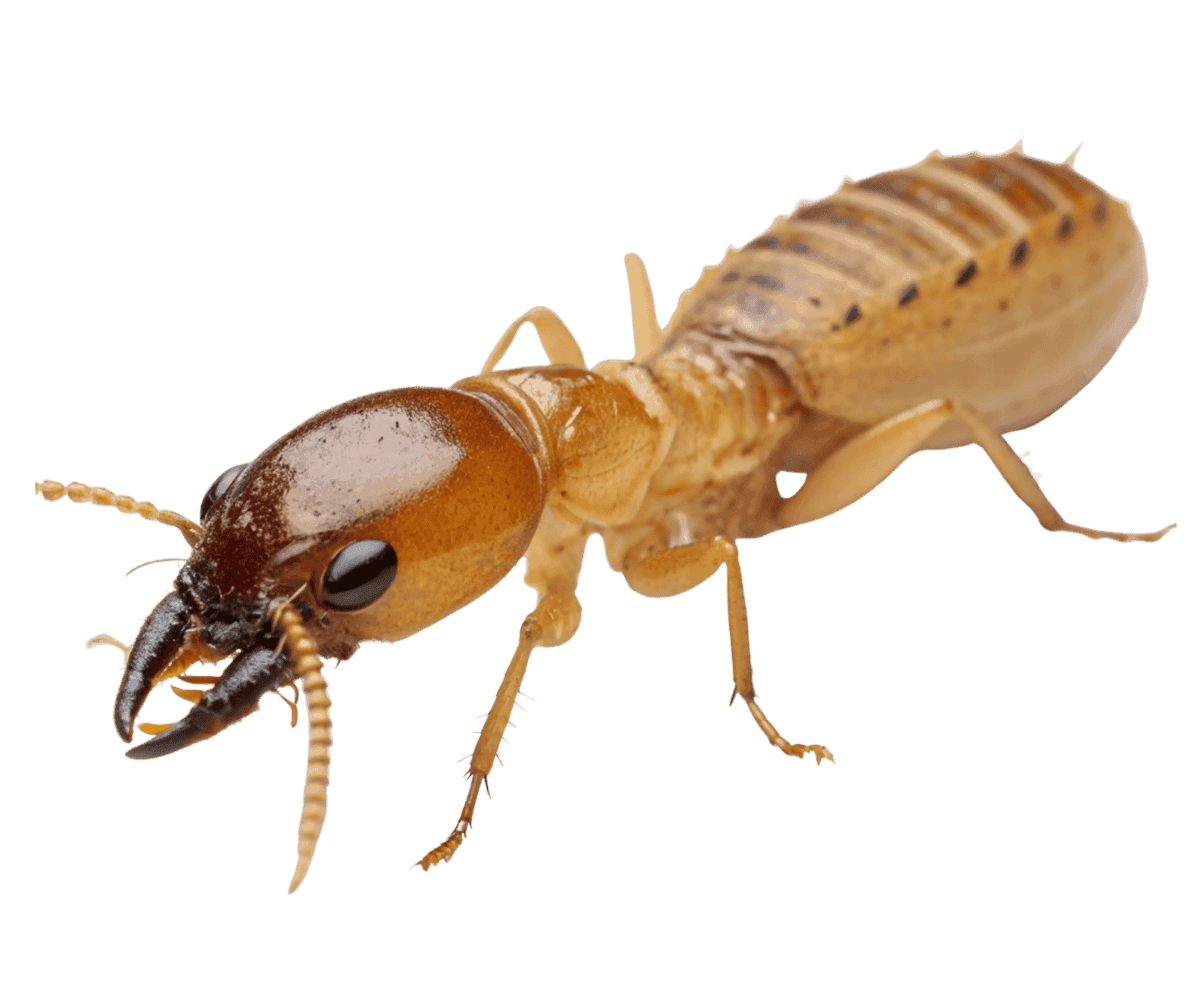
ARE TERMITES COMMON IN TEXAS?
Termites in Texas Vary Widely by Region
Dealing with termites in Texas means different things depending on what part of the state you live in. The sheer size of the state and its diverse landscapes are part of what makes identifying Texas termites so tricky. Yes, there are numerous types of termites in Texas, and knowing which one you're dealing with shapes everything about treatment.
Not every termite in Texas is a threat to your home. Desert termites are common in West Texas grasslands, where they break down dead roots and plant material, and agricultural termites feed on live grasses and weeds. Fortunately, neither group typically damages house framing, flooring, or other structural wood.
Seeing Termite Activity?
Termites can feed inside framing or beneath flooring long before the damage is easy to spot. Call (855) 739-0061 today to schedule an inspection.
Call Hawx Today: (855) 739-0061TERMITE IDENTIFICATION
Types of Termites in Texas
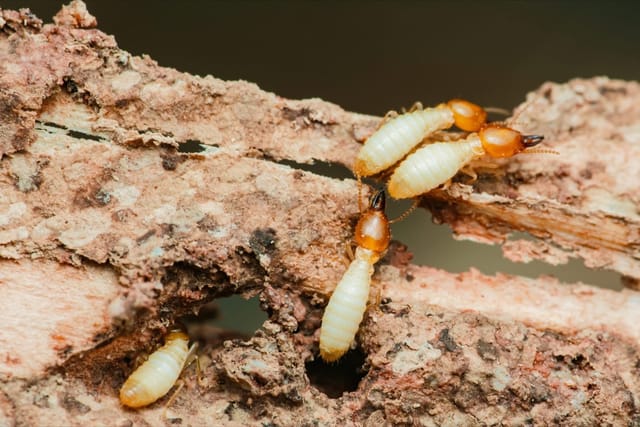
Most Texas termites are small, pale, soft-bodied insects between a quarter inch and half an inch long. Workers are creamy white and often mistaken for ants, but termites have straight antennae, a uniform body width with no pinched waist, and, on swarmers, two pairs of equal-length wings.
Subterranean Termites
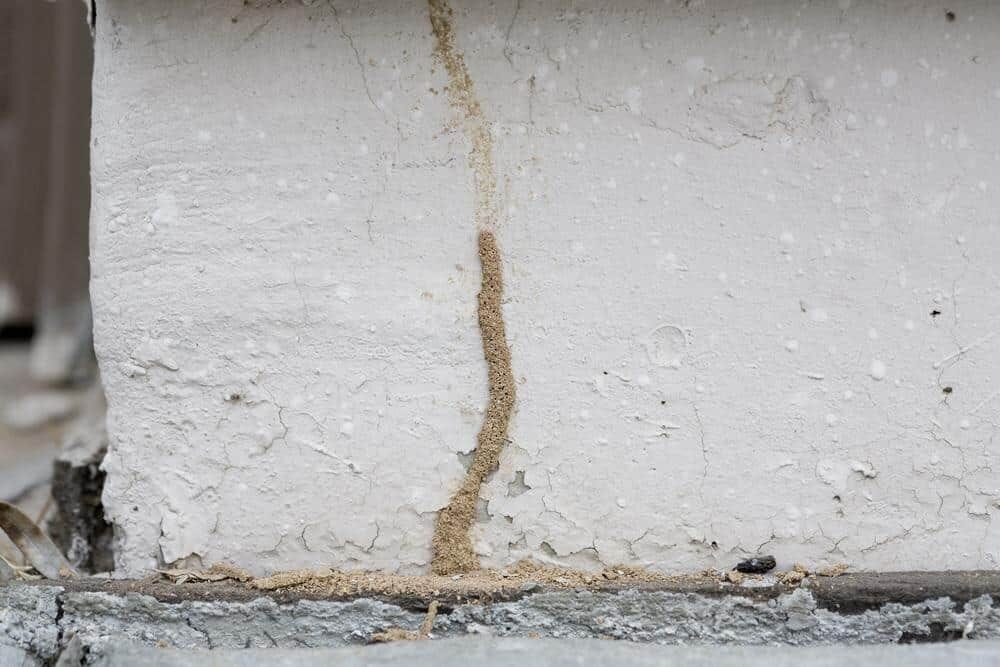
These termites build colonies underground and reach homes through mud tubes. They often enter through slab cracks, expansion joints, or gaps around plumbing. Damage usually begins inside the wood—the outer surface may look normal even after the interior has been hollowed out. Subterranean swarmers are dark brown to black.
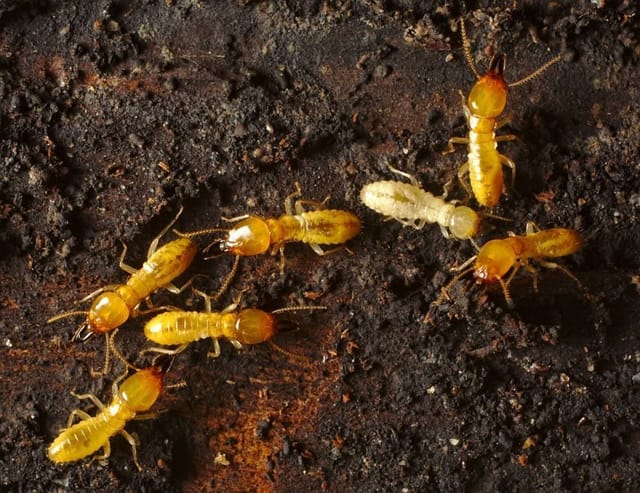
Formosan Subterranean Termites
Formosan termites are a bigger concern in coastal Texas. Their colonies can grow very large, which means they can cause significant damage once they get established near a home. They may spread through infested wood used in landscaping or construction, so activity can sometimes start before a homeowner realizes there's a problem. Formosan swarmers are yellowish brown.
Drywood Termites
Drywood termites are more common in Gulf Coast and South-Central Texas than in the drier western parts of the state. Unlike subterranean termites, drywood termites do not need soil contact—they live inside the wood they infest, so they can be harder to spot at first. One of the clearest signs is frass: tiny, hard pellets that may collect beneath trim, furniture, or exposed wood. Drywood swarmers tend toward reddish brown.
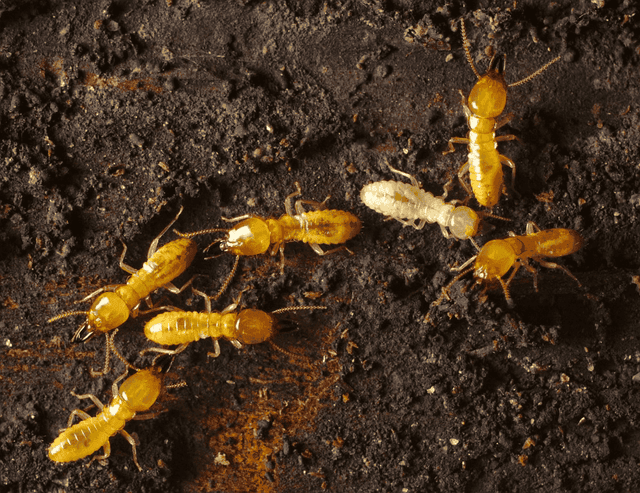
Desert & Agricultural Termites
Not every termite in Texas is a threat to your home. Desert termites are common in West Texas grasslands, where they break down dead roots and plant material and help return nutrients to the soil. Agricultural termites feed on live grasses and weeds, so they may affect turf, pasture, or forage areas. Desert termites are pale yellow to light brown, and neither group typically damages house framing, flooring, or other structural wood.
REGIONAL DIFFERENCES
Termites in North Texas vs. South Texas
South Texas
South Texas termites face the state's longest active season. Warmth arrives early, so subterranean swarms can start in January, and coastal counties carry the added pressure of Formosan termites, whose colonies grow far larger than native species. Drywood termites are also established across the Gulf Coast and South-Central regions.
North Texas
Termites in North Texas follow a later calendar. Subterranean termites dominate in the DFW area and across North Texas, where clay soils that shift and crack slab foundations give them ready paths to framing. Swarms typically arrive in March and April as temperatures climb. Drywood and Formosan termites are less common here, but the region's slab-on-grade construction keeps subterranean risk high year-round.
SLAB FOUNDATIONS
Why Your Slab Foundation May Need a Closer Look
Many Texas homes sit on concrete slabs. Subterranean termites can use narrow openings around utility lines, settling cracks, and expansion joints to reach the wood structure of your home above the foundation. Because those routes are hidden, mud tubes may not appear in an obvious place— activity can continue behind walls or beneath flooring before the damage becomes noticeable.
Keeping moisture away from the slab can help discourage subterranean termites. Repair plumbing leaks, make sure water drains away from your home, and avoid stacking wood against exterior walls.
WARNING SIGNS
Signs of Termites in a Texas Home
The signs of termites in Texas vary by species, which is part of why identification matters:
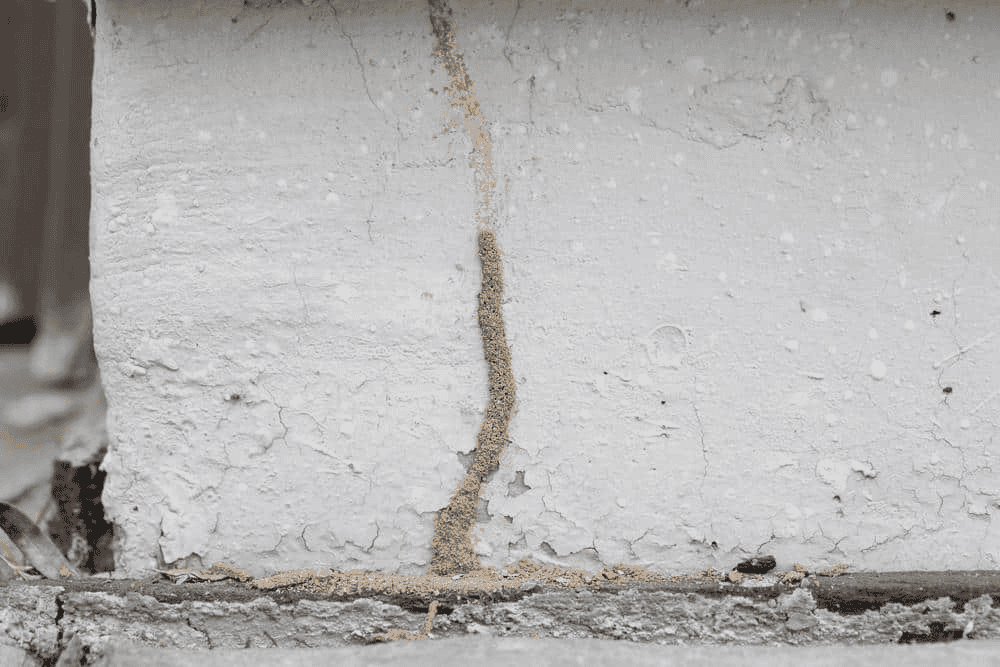
- Mud tubes on slab edges, foundation walls, or other surfaces (subterranean termites)
- Wood that sounds hollow when tapped, feels strangely soft, or breaks apart easily
- Tiny piles of hard pellets beneath trim, furniture, attic wood, or exposed beams (drywood termites)
- A small opening in the wood directly above a pile of pellets
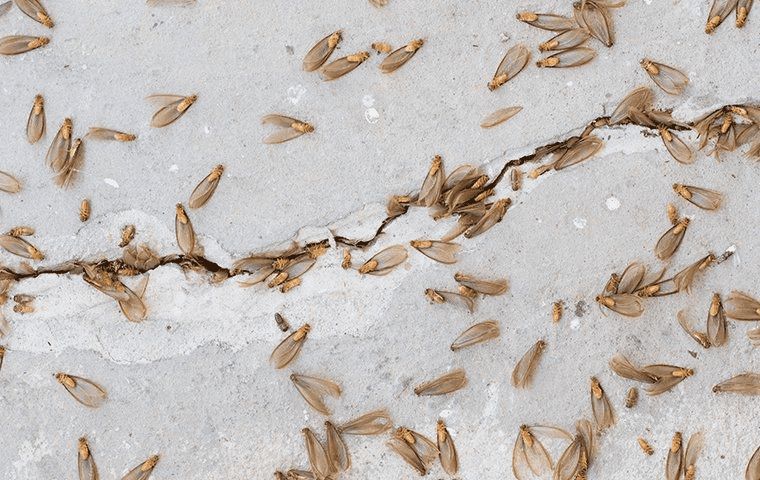
- Discarded wings near windows or doors
NEXT STEPS
What to Do if You Find Termites in Texas
Take photos before cleaning up wings, pellets, or damaged wood so you have a clear record of what you found:
Document Before You Clean Up
Take photos of wings, pellets, or damaged wood before cleaning up, which can help a professional accurately identify the type of termite.
Don't Disturb Active Areas
Avoid spraying the area or opening visible mud tubes, as this can disperse termite activity without eliminating the colony.
Get a Licensed Inspection
A licensed Hawx inspector can identify the species and determine how far the infestation has spread.
Match Treatment to the Species
Treatment may involve the Sentricon® system, a liquid perimeter application, or a localized treatment for a specific area.
Hawx provides termite control throughout Texas. Our experts can inspect your property, identify the termite species, and explain the treatment options that fit your home, whether that's the Sentricon® system, a liquid perimeter application, or a localized treatment. Contact Hawx Pest Control today.
HOMEOWNER QUESTIONS
Frequently Asked Questions
Let Hawx Help Protect Your Home From Termites
Our Local Experts Can Identify Termite Activity And Recommend Treatment In Minutes.
Call Now - Get Answers FastMORE ON TERMITES
Want to Learn More About Termites?
Browse termite-related articles and insights from our blog.
5-STAR PEST CONTROL
Top-Rated Local Pest Control
Hannah M
January, 2026
Jaylen was wonderful! He took extra care around our plants, texted before arrival so we could put away the dogs, and was extremely knowledgeable and caring about his craft. He was able to answer a few additional questions we had swiftly and with a smile. 100% recommend!
Jessica B
December, 2025
Maggie was very professional and communicated to me the work that was done around my home. Excellent service and I haven’t been seeing any bugs in my house since we started services with Hawk.
Swakin R
August, 2025
Had a great experience with Hawx Pest Control. Eric, our technician, was fantastic—very professional, polite, and thorough. He explained everything clearly and made sure we were comfortable with the process. You can tell he really cares about doing a good job. Highly recommend Eric and the Hawx team!
Ken S
January 21, 2026
Steve, was polite, courteous and punctual. I appreciated the communication. Hawx has been very consistent in delivering great service to my home over the years. I have no complaints or concerns. Thank you Steve.
Janie L
September 30, 2025
I've been with Hawx for a few years. They have great customer service. I didn't like that the price went up and got charged without my being notified but I discussed that with them once I realized my auto charge was increased. The current technician I've been getting is Jose. He's pretty responsive and serviced specific areas I needed/requested
Destiny G
November 18, 2025
I called Hawx to service my apartment after my building manager could not get to me quicker. Hawx arrived early next morning. Chris came and did a very thorough job. I highly recommend this service!