
HAWX / PEST CONTROL SERVICES
HAWX / PEST CONTROL SERVICES
Drywood Termite Control
Drywood termites live inside the wood they eat, so most homeowners don’t know they have them until tiny pellets start piling up on a windowsill. Hawx drywood termite control finds active colonies, treats the infested wood directly, and monitors for new activity, often without tenting your house.
Get Termite Help: (855) 739-0061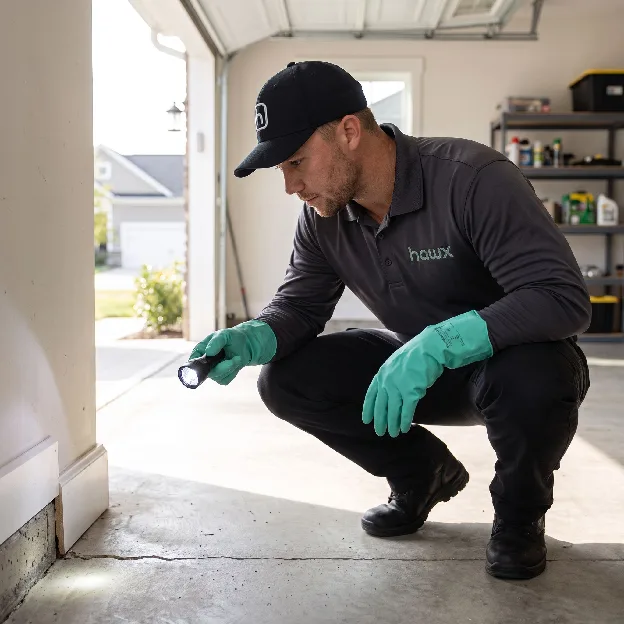
THE HAWX DIFFERENCE
Why Choose Hawx for Drywood Termite Control?

Customized
- Treatment matched to the termite species and the extent of the damage
- Plans to fit your budget
- Ongoing protection for long-lasting results

Tech-Driven
- Latest products and technology
- Environmentally friendly options
- Smart service report with photos after every visit

Free Follow-Up Service
If termites come back between treatments, so will we, at no additional cost to you.
KNOW THE PEST
What Do Drywood Termites Look Like?
Drywood termites are social insects that belong to the termite family Kalotermitidae. Unlike subterranean termites, they need no soil contact and never build mud tubes. That sets them apart from most other termites in the U.S. They nest entirely inside dry wood, such as attic framing, eaves, window frames, wooden structures, and even wooden furniture, and get the little moisture they need from the wood and the air around it.
Drywood termites look different depending on their role in the colony. You may see three forms:
- Swarmers (winged termites): Dark brown bodies with smoky or clear wings that extend well past the abdomen. Drywood termite swarmers are the ones you’re most likely to see, usually near windows and lights.
- Soldiers: Creamy bodies with large, reddish-brown heads and strong jaws used to defend the colony.
- Nymphs: Baby drywood termites, called nymphs or immature termites, are creamy white and soft-bodied. They do most of the feeding and stay hidden inside the wood.
Drywood termite size: Among drywood termites, size varies by role. Most measure about 1/4 to 1/2 inch long, and swarmers are the largest, especially once you count their wings. When the eggs hatch, nymphs start out much smaller and grow as they molt.
Common species: Western drywood termites are commonly found in California, Arizona, and the Pacific Southwest. West Indian drywood termites, sometimes called powderpost termites, are found in Florida, Hawaii, and parts of the Gulf Coast, where they often infest furniture.
Drywood Termites: Facts at a Glance
- A mature termite colony usually holds a few thousand termites at most, far smaller than its subterranean counterparts.
- Drywood termite colonies can’t be wiped out with soil treatments, which is why they need different treatment methods than other termite species.
- One home can have several separate colonies at once.
- They can infest sound, dry wood. It doesn’t need to be rotten or wet.
- A colony takes years to mature, which is why a drywood termite infestation often goes unnoticed for so long.
Learn more about termites and how subterranean termites vs. drywood termites compare.
WHAT TO WATCH FOR
Signs of Drywood Termites
Because drywood termites stay hidden, you’ll usually spot what they leave behind before you see the termites themselves. If you suspect drywood termites, signs to look for include:
- Drywood termite droppings. Pellets are usually the first clue: a small pile of fecal pellets, called frass, below a piece of wood. The pellets are hard, about 1 mm long, and six-sided. The piles look like sand, sawdust, or coffee grounds and range from light tan to dark brown, depending on the wood being eaten.
- Kick-out holes. Termites push pellets out of their tunnels through small holes less than 2 mm wide. These kick-out holes are often sealed with a brown plug once the termites are done using them.
- Swarmers or shed wings. Western drywood termites usually swarm on warm, sunny days in late summer and fall, while West Indian drywood termites swarm at dusk and are drawn to lights. Shed wings on window sills often mean an active infestation nearby.
- Damaged wood. Infested wood may sound hollow when tapped, feel soft, or show blistered paint. Inside, termite galleries are smooth and clean and cut across the grain.
Seeing drywood termite pellets but no termites is common. The colony is still inside the wood, and fresh pellets mean an active termite infestation. Clean up the pile, then check the spot again over the next week. If new tiny pellets appear, schedule a termite inspection.
Bugs That Look Like Flying Termites
Several insects can be mistaken for drywood termite swarmers or their droppings:
- Flying ants have bent antennae, a pinched waist, and front wings longer than their back wings. Flying termites have straight antennae, a thick waist, and four equal-length wings. See our guide to flying ants.
- Carpenter ants push out coarse wood debris that looks like shredded sawdust, often mixed with insect parts, not uniform pellets.
- Dampwood termites are larger and need wet, decaying wood, so they rarely infest dry, well-maintained homes. Dampwood termite frass is less uniform and often stays packed inside the tunnels.
- Powderpost beetles leave fine, flour-like powder and small round exit holes instead of six-sided pellets.
HOW IT WORKS
Drywood Termite Treatment: How It Works
Treatment only works if it reaches every colony, so it starts with finding them all. Here’s how our drywood termite treatment works.
Professional Drywood Termite Inspection
A certified technician inspects the attic, eaves, window and door frames, wooden beams, and furniture for kick-out holes, pellets, swarmers, and damaged wood. This confirms the termite species and shows how far the infestation has spread.
Mapping Every Colony
Because one home can have several drywood termite colonies, your technician marks each area of activity and confirms whether you’re dealing with one colony or several. That map determines whether localized treatments can reach the whole problem.
Localized Treatments
For contained infestations, we treat the infested wood directly, applying product into the termite galleries at each site. Localized treatments target the termites where they live without treating the entire structure, so you can stay in your home.
Annual Monitoring and Protection
Because swarmers can start a new colony at any time, we recommend annual inspections to catch new drywood termite activity early and protect the work already done.

TRUSTED SERVICE, START TO FINISH
What to Expect With Drywood Termite Treatment
Before your service
Your technician walks through the inspection findings, shows you where the active colonies are, and explains the treatment plan before any work begins.
During service
Treatment focuses on the infested areas only. You don’t need to move out, bag food, or plan a hotel stay, as you would with whole-structure fumigation.
Targeted treatment
If the infestation is too widespread for localized treatment, your technician will tell you plainly and explain your whole-structure treatment options, so you can make the right call for your home.
After service
You’ll receive a service report with photos, guidance on how to prevent drywood termites from returning, and a plan for annual inspections. Your termite control service is backed by the Hawx warranty.
How to Get Rid of Drywood Termites
How to kill drywood termites depends on how far the colonies have spread. Store-bought sprays can’t reach termites inside the wood, and drywood termites won’t go away on their own. A pest management professional will recommend one of these drywood termite control methods:
- Localized treatments. Product is applied directly into infested wood through small holes drilled into the galleries. This is how to get rid of drywood termites without tenting when the infestation is contained.
- Wood removal and replacement. Badly damaged boards or trim can be cut out and replaced, removing the colony with them.
- Heat treatments. Hot air is pumped into the home or a section of it until the wood core reaches about 120°F for at least 33 minutes. Heat leaves no residue, but it can miss spots that don’t get hot enough.
- Whole-structure fumigation. Tenting the home and filling it with gas reaches every colony at once, which is why it’s used for widespread infestations. It requires everyone, including pets, to leave the home for two to three days, and offers no lasting protection afterward.
- Microwave treatments and other spot devices. These heat small areas of wood and work only where the device is applied.
For most homes where drywood termites are caught early, localized treatment is the most practical way to control drywood termites. Homes in warm states can have subterranean and drywood termites at the same time. If you’re also dealing with subterranean termites, those are treated separately with soil treatments or bait stations like the Sentricon System.
Are Drywood Termites Serious?
Yes. Drywood termites aren’t harmful to people, since they don’t bite or spread disease, but they cause real termite damage to homes. Colonies feed on structural framing, floors, door and window frames, and trim, hollowing out wood from the inside while the surface looks fine. Several colonies working in the same house for years can weaken wooden structures enough to need costly repairs.
Drywood termites do work more slowly than subterranean termites, so early detection gives you time to act. A drywood termite problem caught at the first pile of pellets is usually far easier and less expensive to treat than one discovered during a remodel. Like other termite infestations, it won’t go away on its own, so it needs professional pest control.
How to Prevent Drywood Termites
Drywood termites start new colonies when swarmers find a crack in unsealed wood. These steps help prevent drywood termites from moving in:
- Keep exposed wood painted or sealed, including eaves, fascia, trim, and window frames.
- Caulk cracks and joints in wood siding, trim, and the wood surface around windows and doors.
- Screen attic, crawl space, and foundation vents.
- Inspect reclaimed wood, antiques, and secondhand wooden furniture before bringing them inside.
- Use pressure-treated wood or borate-treated lumber for repairs and outdoor projects. Common framing lumber like Douglas fir isn’t naturally resistant.
- Store firewood and lumber away from the house.
- Schedule an annual termite inspection, especially in western and southern states.
Protect Your Home From Drywood Termites
Found pellets on a windowsill or swarmers near a light? The sooner a colony is found, the more likely it can be treated without tenting. A Hawx technician will inspect your home, show you exactly where the activity is, and recommend a treatment plan built around what we find. Contact us to schedule your drywood termite inspection.
HOMEOWNER QUESTIONS
Frequently Asked Questions
Let Hawx Protect Your Home From Drywood Termites
Our Local Experts Can Identify It And Recommend Treatment In Minutes.
Call Now — Get Answers FastMORE ON TERMITES
Want to Learn More About Termites?
Browse termite-related articles and insights from our blog.
5-STAR PEST CONTROL
Top-Rated Local Pest Control
Hannah M
January, 2026
Jaylen was wonderful! He took extra care around our plants, texted before arrival so we could put away the dogs, and was extremely knowledgeable and caring about his craft. He was able to answer a few additional questions we had swiftly and with a smile. 100% recommend!
Jessica B
December, 2025
Maggie was very professional and communicated to me the work that was done around my home. Excellent service and I haven’t been seeing any bugs in my house since we started services with Hawk.
Swakin R
August, 2025
Had a great experience with Hawx Pest Control. Eric, our technician, was fantastic—very professional, polite, and thorough. He explained everything clearly and made sure we were comfortable with the process. You can tell he really cares about doing a good job. Highly recommend Eric and the Hawx team!
Ken S
January 21, 2026
Steve, was polite, courteous and punctual. I appreciated the communication. Hawx has been very consistent in delivering great service to my home over the years. I have no complaints or concerns. Thank you Steve.
Janie L
September 30, 2025
I've been with Hawx for a few years. They have great customer service. I didn't like that the price went up and got charged without my being notified but I discussed that with them once I realized my auto charge was increased. The current technician I've been getting is Jose. He's pretty responsive and serviced specific areas I needed/requested
Destiny G
November 18, 2025
I called Hawx to service my apartment after my building manager could not get to me quicker. Hawx arrived early next morning. Chris came and did a very thorough job. I highly recommend this service!
