
Termite swarm season is when winged reproductive termites, called swarmers, leave their colonies to mate and start new ones. A sudden cloud of them around a porch light or window is often the first sign a colony is close. Most swarms happen in spring, but drywood and Formosan termites keep their own calendars. Knowing when termites swarm, what swarmers look like, and what to do in the first 48 hours helps you catch a problem before it turns into structural damage.
When Do Termites Swarm?
For most species, swarm season runs from late winter through early summer and peaks from March to May. Swarm timing follows the weather more than the calendar. The most common trigger is a warm, calm day right after a soaking rain. Termites dry out easily, so they wait for humid air and damp soil before they fly.
A warm spell in late winter can bring swarmers out weeks early, while cold snaps and drought can delay them. If you spot early swarmers, Hawx termite control can confirm the species and check whether a colony is nearby.
Regional Differences in Termite Season
Climate is the biggest reason timing varies by region. In northern states, cold soil keeps swarms to late spring and early summer. In warm, humid states like Florida, different species swarm at different times, so swarmers can appear nearly year-round. The Florida Department of Agriculture and Consumer Services runs a Formosan termite surveillance program to track one of the Southeast’s most destructive species.
Wherever you live, treat swarm season as a weather window, not a fixed date.
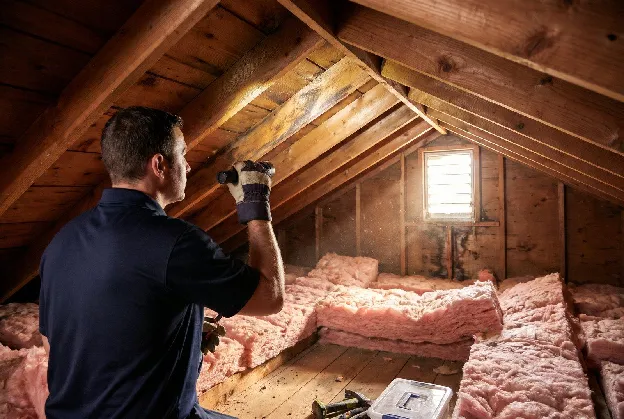
Swarm Timing by Termite Species
Each species has its own season and time of day.
| Termite Species | Typical Swarm Season | Swarming Conditions |
|---|---|---|
| Native subterranean (most of the U.S.) | March through May | Daytime, warm and calm, shortly after rain |
| Formosan subterranean (Southeast, Gulf Coast, Hawaii) | Late spring into summer | Dusk or night, humid, drawn to lights |
| Western drywood (California, Arizona, Southwest) | Late summer through fall | Warm, sunny days |
| West Indian drywood (Florida, Hawaii, Gulf Coast) | Spring into early summer | Dusk, drawn to lights |
Which species you’re seeing matters, because subterranean termites vs. drywood termites are treated differently. Subterranean termites live in the soil and need constant moisture. Drywood termites live inside wood and get the moisture they need from it.
Subterranean Termites
Most subterranean termites swarm from March through May, during the day, on warm, calm days after rain. Rain softens the soil so swarmers can tunnel out, and the humid air keeps them from drying out. A dry spring can delay swarms. In California, western subterranean termites also swarm in fall after the first rains.
Formosan Termites
Formosan termites are a subterranean species that swarms from late spring into summer on warm, humid evenings, often after rain. They swarm in large numbers and gather around streetlights, porch lights, and lit windows. Their colonies are large and destructive, so a Formosan swarm near your home calls for a prompt inspection.
Drywood Termite Swarm Season by Region
Drywood termites live inside the wood they eat, so they don’t need rain to swarm. When they swarm depends on the species and where you live.
California and the Southwest. Western drywood termites swarm from late summer through fall, usually on warm, sunny days. California homeowners can see swarmers in both spring and fall, since subterranean termites there swarm in spring and again after the first fall rains. Learn more about termites in California.
Florida, Hawaii, and the Gulf Coast. West Indian drywood termites swarm in spring and early summer at dusk, and they’re drawn to lights. Formosan termites swarm in the same season and at the same time of day, so an evening swarm near a porch light could be either one. An inspection tells them apart. See our guides to termites in Louisiana and termites in Texas.
Drywood swarmers inside your home usually mean a colony is already living in the wood nearby. For more on what they look like, see our guide to termite swarmers.
Key Signs of a Swarm
Swarmers are weak flyers. They travel a short distance, land, and shed their wings. What they leave behind is often the first sign of a problem:
- Swarmers. Winged termites gather near lights, windows, and doors.
- Discarded wings. Swarmers shed their equal-length wings soon after landing, leaving small piles on sills and floors.
- Mud tubes. Subterranean termites build pencil-width mud tubes along foundation walls to travel between the soil and wood.
- Frass or hollow wood. Small piles of six-sided pellets below tiny holes in wood mean drywood termites are feeding inside.
Recognizing these signs early lets you schedule a termite inspection before a new colony can do real damage.
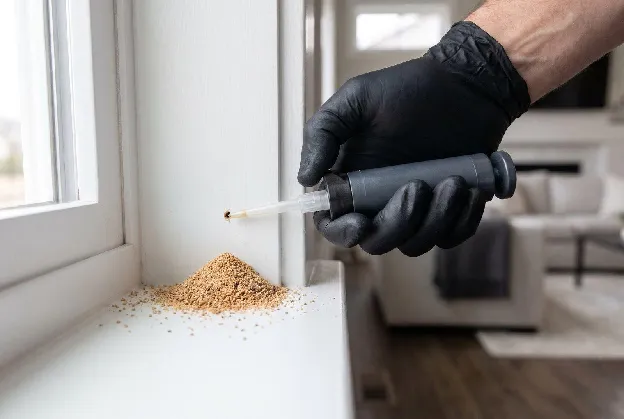
Termites vs. Flying Ants
Termites have straight antennae, thick waists, and four wings of equal length. Flying ants have elbowed antennae, pinched waists, and front wings longer than their back wings. For a closer look, see our guide to flying termites.
Mississippi State University Extension lists wings and dead swarmers inside the home among the signs of termite infestation. An indoor swarm usually means the termites came from the walls, baseboards, or ceiling, not from outside.
What a Swarm Tells You About a Colony
A colony takes several years to mature before it produces swarmers, so a swarm means an established colony is nearby. Where you see them matters. Swarmers rising from the soil or a tree stump in the yard point to an outdoor colony, which may or may not be feeding on your home. Swarmers indoors, especially more than once in the same room, point to a colony inside the structure.
Most swarmers die within hours. The few that start new colonies take years to cause visible damage, so discarded wings are often the only clue. A swarm in the middle of winter usually comes from a colony inside a heated building, and it’s a stronger warning sign than a spring flight outdoors.
What to Do When You See Termite Swarmers
Act within days, not weeks. Spraying kills the swarmers but not the colony that produced them. Vacuuming them up is fine, but save a few specimens or a clear photo first, since the species determines the treatment.
Steps to Take in the First 48 Hours
- Photograph the insects and any discarded wings, and save a few in a sealed container or on clear tape.
- Write down the date, the time of day, and the room or area where you saw them.
- Switch off or dim nearby lights, since swarmers are drawn to light.
- Check windowsills, baseboards, door frames, attic access points, and the foundation for wings, mud tubes, or frass.
- Schedule a professional inspection to confirm the species and the source of the swarm.
If swarmers appeared indoors, tell the inspector. An indoor swarm usually calls for a different treatment approach than one that started outside.
How to Reduce Conditions That Attract Termites
Most prevention comes down to controlling moisture and keeping wood away from soil. Work through these steps before swarm season each year. Learn more about what attracts termites to a home.
- Control moisture. Repair leaking gutters, downspouts, and outdoor faucets, and make sure water drains away from the foundation. Fix plumbing leaks and keep crawl spaces and attics ventilated.
- Keep wood and mulch away from the house. Store firewood off the ground and away from exterior walls. Pull mulch back from the foundation, and keep soil and landscaping below the siding line.
- Seal gaps and replace damaged wood. Seal foundation cracks and gaps around pipes and utility lines. Replace rotted or water-damaged wood on decks, fascia, and window frames.
Even with good habits, schedule an annual inspection, since colonies can stay hidden for years.
Termite Swarm Season FAQs
What month do termites swarm?
Most subterranean termites swarm from March through May. Western drywood termites swarm from late summer through fall, and West Indian drywood and Formosan termites swarm in late spring and early summer.
What time of day do termites swarm?
Subterranean termites usually swarm during the day. Formosan and West Indian drywood termites swarm at dusk or at night near lights, and western drywood termites swarm on warm, sunny days.
Does a termite swarm mean I have termites?
Not always. An outdoor swarm means a colony is nearby. Swarmers or discarded wings indoors usually mean a colony is inside the structure.
Should I spray termite swarmers?
Spraying kills the swarmers but not the colony. Vacuum them up, save a few for identification, and schedule an inspection.
Protect Your Home Before the Next Swarm
A swarm means a mature colony is nearby. Acting within days keeps a small problem from becoming structural damage. Hawx can inspect your property, confirm the species, and recommend a treatment plan. Schedule a termite inspection.
Sources
- Florida Department of Agriculture and Consumer Services. (n.d.). Formosan termite surveillance.
- Mississippi State University Extension. (n.d.). Signs of termite infestation.
- North Carolina State University. (n.d.). Biology and behavior of eastern subterranean termites.
- Penn State Extension. (2026, June 24). Eastern subterranean termites.
- Rutgers NJAES. (n.d.). FS338: Termite prevention and control.
- Texas A&M University. (2022, May 17). Native subterranean termites (Reticulitermes sp.).
- University of California. (2025, April 22). Swarming termites looking for love.

