
Silverfish Facts & Information
Hawx is always reliable. Always innovative.
20,000+ 5-STAR REVIEWS
“Connors Trader went the extra mile to make sure he listened to our needs regarding the ant problem we had.”
- Larry
“He sprayed indoors and out, swept my eaves for spider webs and took care of a couple of wasp nests.”
- Rick
“He even sprayed on my deck, which no one else has done.”
- Sue
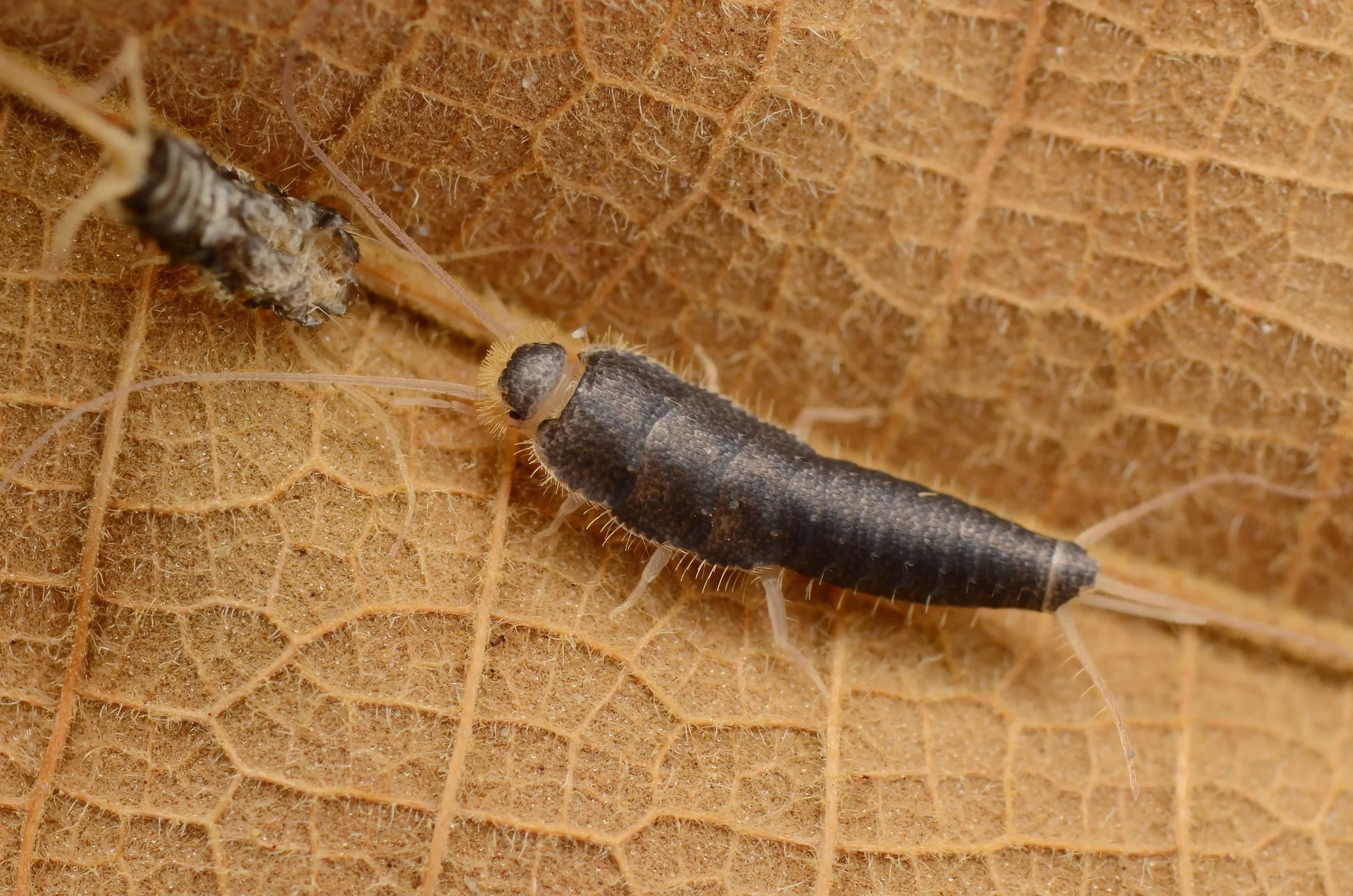
If you’ve ever flipped on the lights in your bathroom or basement and seen a quick, metallic flash dart across the floor and disappear, you’ve likely met a silverfish. These somewhat primitive, lightning-quick insects have survived for millions of years—but they’re just as comfortable in your home as they are out in the wild. And while they don’t bite or spread disease, their appetite for paper, fabric, and glue can cause damage to your home over time.
Let’s talk a little more about silverfish, why they’re in your home, how to prevent them, and how to get rid of a silverfish infestation.
Look up your local branch or call our office at (888) 372-9514 to schedule your appointment.
How to Identify Silverfish
Silverfish are small, wingless insects that measure about ¾ of an inch long. Their elongated, flattened bodies are covered in shiny, silver-gray scales that shimmer sort of like fish skin—which is where they get their name, but the name isn’t just about their color. Silverfish also move with a distinct, swimming-like motion that makes them appear to glide across surfaces like it’s water. These quick, minnow-like movements make catching or killing them by hand basically impossible.
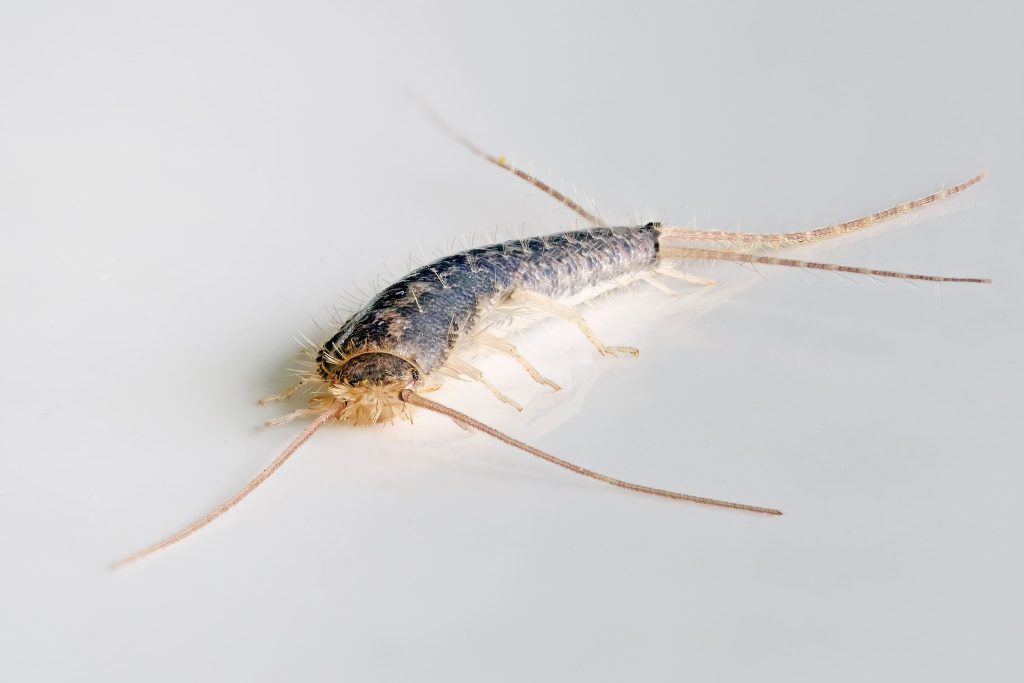
They have two long antennae and three distinct tail-like bristles that extend from their rear, all of which make them easy to recognize once you know what to look for.
Silverfish Life Cycle and Behavior
A silverfish life cycle consists of three main stages, like all other insects: egg, nymph, and adult. Female silverfish lay their eggs, either in small clusters or one-by-one, in dark, damp, hidden cracks and crevices, such as an attic or basement. It can take a few weeks to a few months for silverfish eggs to hatch, depending on the conditions of the environment. Female silverfish can lay up to 60 eggs at a time. The eggs hatch into nymphs that look like much smaller versions of adults.
One unique characteristic is their molting process—they shed their exoskeletons multiple times throughout their lifespan (as many as 30 times a year). A silverfish can live anywhere from two to eight years, so an infestation can last a long time if left untreated.
Where Do Silverfish Live?
Silverfish thrive in moist, humid conditions between 70°F and 80°F. They’re most common in areas that are both damp and dark, which is why it’s hard to notice them until the infestation is well underway.
You’re most likely to find silverfish in:
- Basements and crawl spaces, where humidity levels are highest.
- Kitchens and bathrooms, especially under sinks or near leaky pipes.
- Attics and laundry rooms, where stored items create the perfect hiding places.
- Bookshelves, closets, and storage boxes, where paper and fabric are plentiful.
What Do Silverfish Eat?
Silverfish have a surprisingly varied diet but prefer carbohydrates and proteins—mainly materials that contain starch or cellulose. Their favorite meals include paper, cardboard, glue, wallpaper paste, linen, and sometimes even pantry items like flour, oats, and dried pasta. They’ll also consume dead insects and shed skin cells. So, if you notice silverfish in the house, they were probably drawn in by readily available food sources.
Signs of Silverfish
Silverfish are most active at night and typically avoid light, preferring dark, humid places instead. If you’ve noticed any of these signs, there’s a good chance you have silverfish hiding:
- Tiny, irregular holes in paper, books, or fabrics
- Yellow stains on clothing or wallpaper
- Small pepper-like droppings or shed scales
- And of course, sighting silverfish darting out of sight
Again, silverfish are very fast and will scurry out of view when you come into a room or turn on the lights, so you may find signs of their activity rather than actually seeing them to confirm their presence.
How Do Silverfish Get in the House?
Silverfish have a lot of options for entry points to your home. They are small enough to squeeze through cracks in foundations, loose window frames, or under doors. Silverfish can also hitch a ride inside through cardboard boxes, paper bags, or old books brought in from storage.
Moisture, clutter, and easy access to food are the biggest draws for silverfish in your home. Damp basements, unsealed grains, and piles of old paper provide the perfect breeding grounds for them to reproduce and stick around.
How to Prevent a Silverfish Infestation
Since humidity is key to their survival, keeping your home dry is one of the best defenses. Use dehumidifiers in damp areas, fix leaky faucets, and improve ventilation in bathrooms and basements. You should also try to reduce clutter around the home, vacuum regularly, and store dry goods in airtight containers. Sealing cracks, repairing loose seals, and maintaining clean, dry storage areas can help prevent infestations as well.
Let Hawx Handle Your Silverfish Problem
If you’re seeing multiple signs of silverfish—like damaged papers, shed skins, or even spotting them regularly—DIY traps or sprays aren’t going to cut it. These discreet pests hide deep within walls and flooring, making complete removal very difficult using conventional methods.
When home remedies fail and silverfish infestations take hold, Hawx Pest Control has your back. Our trained technicians will identify hidden nesting spots, eliminate current infestations, and create a customized prevention plan to keep your home protected so you don’t have to deal with silverfish problems again in the future. Don’t spend any more time wondering if these pests are running around in the dark and damaging your home and belongings. Contact Hawx today for a free inspection and to address your silverfish problem.
Read more about silverfish
Where Do Silverfish Come From?
Where Do Silverfish Come From? You walk into your kitchen in the middle of the night, only to be startled by a quick, slithery movement
